Complete Bristlenose Pleco Care Guide
*We may earn a commission for purchases made using our links. Please see our disclosure to learn more.
When discovering the world of aquarium keeping, few fish offer the perfect combination of practicality and personality quite like the bristlenose pleco. These small, armored catfish have transformed countless tanks from algae-covered frustrations into thriving aquatic ecosystems. Standing at the glass watching a bristlenose pleco methodically work its way across driftwood, sporting those distinctive whisker-like bristles, reveals why this species has captured the hearts of beginner and experienced aquarists alike.
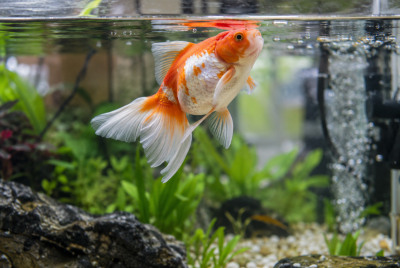
“Bristlenose plecos are the only pleco I trust with fancy goldfish and one of very few I would ever house with discus. Both of these fish are slow, easy targets for plecos who want to chow down on their slime coat and/or skin.”
— Advanced Aquarium Concepts
Key Takeaways
- Size Management: Bristlenose plecos stay compact at 3-5 inches, unlike common plecos that grow over 18 inches
- Temperature Tolerance: Thrives in a wide range from 60-82°F, making them adaptable to various tank setups
- Algae Control: Consumes multiple algae types including green, brown, and even black hair algae
- Tank Requirements: Minimum 30 gallons with hiding spots, driftwood, and caves essential
- Peaceful Nature: Compatible with most community fish, won’t attack tankmates or damage plants
- Lifespan: Lives 5-12 years with proper care, offering long-term companionship
Recommended Products for Bristlenose Pleco Care
Hikari’s Tropical Algae Wafers (8.8 oz)
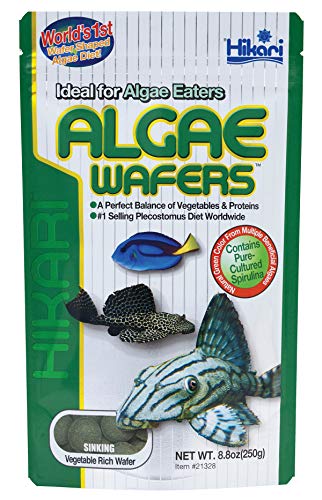


Hikari’s Tropical Algae Wafers (8.8 oz) are formulated specifically for herbivorous bottom-feeders, making them one of the most recommended foods for Bristlenose pleco care. Packed with high levels of vegetable matter and pure cultured spirulina, these wafers deliver balanced nutrition for plecos of all life stages. The sinking wafer format allows your Bristlenose pleco to graze naturally, mimicking their wild feeding behavior. Fortified with stabilized Vitamin C, the formula supports stronger immunity, reduces stress, and promotes vibrant coloration. Designed not to dissolve quickly or cloud tank water, Hikari Algae Wafers keep your aquarium clean while encouraging healthy growth and daily activity in plecos.
Proper Bristlenose pleco care begins with offering the right nutrition, and Hikari’s Tropical Algae Wafers are one of the most trusted foods for maintaining a healthy, active pleco. Bristlenose plecos are herbivores who depend on a diet rich in vegetable matter, algae, and plant-based proteins. Hikari meets these needs with a formula built around high-quality spirulina and essential nutrients.
- High-quality spirulina formula: Rich in vegetable matter that suits Bristlenose pleco dietary needs.
- Water-stable wafers: Won’t dissolve or cloud water, reducing tank maintenance.
- Immune-boosting nutrition: Includes stabilized Vitamin C for better stress resistance.
- May attract other fish: Community fish may eat wafers before plecos get them.
- Premium price: Slightly higher cost compared to generic algae wafers.
- Strong smell: Some users find the scent noticeable when opening the container.
Plecoceramics Pleco Cave

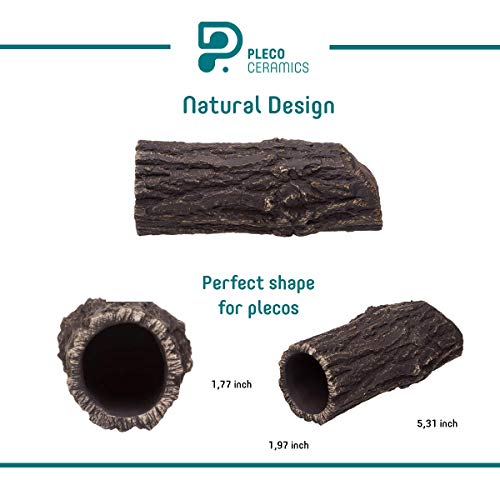

The Plecoceramics Pleco Cave is a medium-sized, natural ceramic shelter designed specifically for Bristlenose pleco care and breeding. Made from high-temperature fired clay, this cave is completely inert, aquarium-safe, and ideal for plecos that need a secure place to hide, rest, and spawn. Its realistic, rock-like texture blends seamlessly into planted and natural-style tanks, offering both functionality and aesthetic appeal. With over 10 years of pleco breeding experience behind its design, this cave provides the perfect dimensions and interior space preferred by Bristlenose plecos and other bottom-dwelling species. Easy to clean and instantly usable after a quick rinse, it’s a reliable addition for any pleco keeper wanting to support natural behavior and successful breeding.
When it comes to proper Bristlenose pleco care, providing a secure hiding spot is just as important as offering balanced nutrition and clean water. The Plecoceramics Pleco Cave is designed to meet one of a Bristlenose pleco’s most essential needs: a safe, enclosed space that resembles the natural crevices they inhabit in the wild.
- Breeder-approved design: Shaped specifically to support Bristlenose pleco breeding behavior.
- Aquarium-safe ceramic: Made from inert, high-temperature fired clay for long-term durability.
- Natural cave appearance: Blends well with planted and natural aquascapes.
- Single-entry design: Some fish prefer multiple exits for security.
- Medium size only: Larger pleco species may require bigger models.
- Color limited to gray: May not match all decorative themes.
Majoywoo Natural Driftwood for Aquarium Decor


Enhance the beauty of your aquarium or terrarium with the Majoywoo Natural Spiderwood. This set includes three unique branches, each ranging from 7 to 11 inches in length. Each piece is carefully selected for its distinctive shape, adding organic charm and natural beauty to any aquatic or reptile environment. The driftwood can be used to create moss trees, provide shelter for aquatic life, or serve as climbing spots for reptiles. Its durable nature ensures it will last for years in both wet and dry conditions, offering both functionality and visual appeal.
Essential for bristlenose pleco health, driftwood provides beneficial biofilm for grazing and releases tannins that create ideal water conditions. Choose pieces with natural cavities and hiding spots.
- Unique Appearance: Each piece of spiderwood features its own distinctive shape, adding organic beauty to any setting.
- Versatile Use: Perfect for aquariums, terrariums, or as reptile decor, and suitable for various tank sizes and styles.
- Durable Quality: Sturdy and long-lasting, ideal for both underwater and arid environments.
- Size Variability: Due to the natural variation of driftwood, sizes and shapes may differ slightly from product photos.
- Pre-Soaking Required: May need to be boiled to remove tannins and ensure it sinks properly in water.
- Not for Large Tanks: The 7-11 inch size may not suit larger aquarium setups as a central decorative piece.
Aquatic Arts Algae Wafers (8 oz)


Aquatic Arts Algae Wafers (8 oz) deliver a nutritious, high-protein spirulina blend perfect for bottom-feeders, especially those needing dependable Bristlenose pleco care. Formulated with algae, spirulina, vegetables, fish, kelp, shrimp, and krill, these sinking wafers offer balanced nutrition for plecos, snails, shrimp, and other algae eaters. Each large wafer is designed to sink quickly, allowing natural grazing behavior at the bottom of the tank. With over 30% protein content, this formula promotes healthy growth, improved coloration, and supports breeding activity for plecos and invertebrates. Made to attract aquatic animals immediately, these wafers make feeding time active and enjoyable while supplying the nutrients Bristlenose plecos need to thrive.
Providing the right diet is a crucial part of Bristlenose pleco care, and Aquatic Arts Algae Wafers offer a nutrient-rich formula designed to meet the needs of plecos and other bottom feeders. Bristlenose plecos naturally consume algae, plant matter, and occasional proteins, and these wafers match that diet with a balanced blend of spirulina, algae, vegetables, shrimp, krill, and kelp.
- High-protein spirulina blend: Supports growth, color, and overall pleco health.
- Large sinking wafers: Ideal for plecos and other bottom-dwelling algae eaters.
- Attracts aquatic pets quickly: Encourages active feeding behavior.
- Breaks down faster than harder wafers: May increase debris if overfed.
- Higher protein may not suit strict herbivores: Should be balanced with veggie-based foods.
- Some wafers vary in size: Portions may be inconsistent for small tanks.
Understanding the Bristlenose Pleco
The journey with bristlenose plecos begins with understanding what makes them unique. These freshwater fish originate from streams and tributaries in the Amazon Basin, where they developed their remarkable adaptations. Unlike the massive common pleco that can terrorize a tank at 18+ inches, bristlenose plecos reach only 3-5 inches in length, making them perfect for home aquariums.
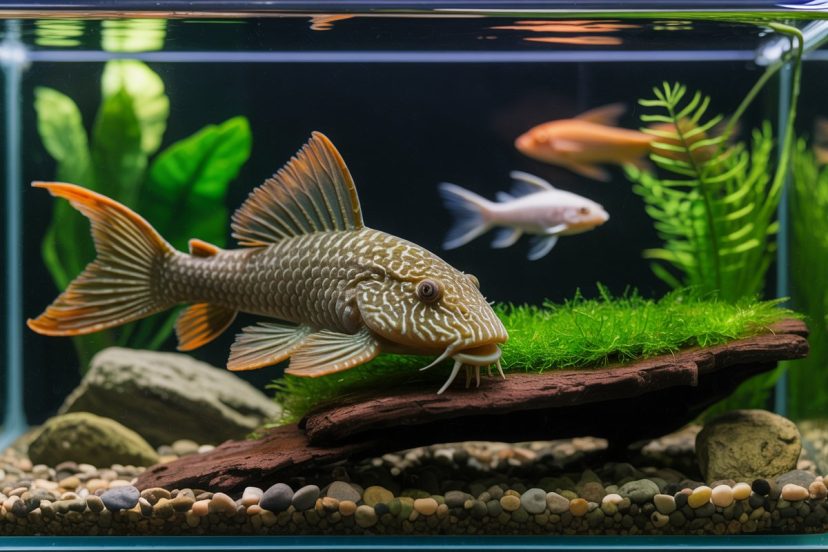
Their most distinctive feature develops around six months of age. Bushy nose appendages sprout from their snouts, with males displaying longer, more prominent bristles that grow higher on the head, while females have more subdued bristles around the mouth area. These “whiskers” aren’t just for show—they serve as sensory organs that help locate food and navigate their environment.
The scientific classification places them in the Loricariidae family, commonly known as armored catfish. Instead of scales, they possess protective bony plates that give them that prehistoric appearance. Their bottom-mounted mouths feature specialized teeth perfect for rasping algae from surfaces, and powerful suction allows them to cling to vertical surfaces even in strong currents.
Setting Up the Perfect Bristlenose Habitat
Creating an ideal environment starts with tank size. A 30-gallon tank provides adequate space for a bristlenose pleco, though larger is always better, especially when housing them with other fish. The waste production from these constant grazers necessitates robust filtration—investing in a quality canister filter pays dividends in water quality.
Water Parameters That Work
The beauty of bristlenose plecos lies in their adaptability. They thrive in temperatures ranging from 60-82°F with a pH between 5.5-7.6. This incredible tolerance means they can coexist with goldfish in cooler water or discus in warmer temperatures. However, consistency matters more than hitting exact numbers—stable parameters prevent stress and disease.
The Amazon River basins where they originate feature moderate, fresh water temperatures. Replicating this environment with plenty of oxygen, gentle water movement, and natural elements creates a habitat where bristlenoses flourish. Keep temperatures above 60°F to prevent disease susceptibility.
Essential Tank Elements
Driftwood is non-negotiable. Bristlenose plecos need natural driftwood in their tank as it’s a natural component of their habitat and actually part of their diet. The biofilm that develops on driftwood provides essential nutrients and helps with digestion. Choose pieces with interesting shapes that create visual interest while providing grazing surfaces.
Hiding spots reduce stress dramatically. These catfish naturally spend a good portion of their day in hiding, clinging to the bottom of driftwood or waiting in caves for the aquarium lights to go out. Provide multiple caves, PVC pipes, coconut shells, or ceramic breeding caves. The security of having retreat options helps them feel comfortable enough to emerge during the day.
Substrate choice matters less than decoration. Plecos will be fine with pretty much any substrate, as long as it’s an inert substrate that won’t affect water quality. Focus instead on creating a layered aquascape with rocks, plants, and wood that mimics their natural riverine environment.
Plant Considerations
Bristlenose plecos generally coexist peacefully with plants. While many plecos are safe for plants, bristlenose plecos are known to sometimes snack on sword plants. Choose hardy species like anubias, java fern, and cryptocoryne that can withstand occasional nibbling. Live plants improve water quality and provide natural foraging opportunities.
Feeding Your Bristlenose Pleco
The misconception that plecos survive solely on tank algae has starved countless fish. Plecostomus can lose body mass over time when not fed properly, as they require a nutrient mix high in vegetable ingredients plus specific amino acids, vitamins, and minerals. Even algae-covered tanks need supplemental feeding.
Building a Balanced Diet
Vegetable matter forms the foundation. The two main pieces of information regarding bristlenose pleco diet are that they’re bottom-feeding fish and predominantly vegetarian. Offer high-quality algae wafers, spirulina tablets, and vegetable-based pellets as staples. Feed a diet heavy in vegetable matter, including high-quality vegetable flakes, sinking algae wafers, and pellets.
Fresh vegetables add variety and nutrition. Bristlenose plecos appreciate fresh vegetables such as shelled peas, spinach, zucchini, and cucumber. Blanch vegetables by briefly boiling them to soften, then weigh them down with a vegetable clip. Remove uneaten portions after 24 hours to prevent water quality issues.
Occasional protein boosts health. Occasional meaty foods such as bloodworms are beneficial when fed sparingly, but too much meat/animal protein can be unhealthy and increase waste production. Once or twice weekly, offer frozen bloodworms, brine shrimp, or quality protein supplements.
Feeding Strategies That Work
Since the majority of plecos are nocturnal, a good practice is to feed them when the lights are off so they get a chance to feed while other fish are less active. Drop wafers in after turning off the tank lights, ensuring your pleco gets first access before more aggressive feeders wake up.
Remember that growing fish need increasing portions. The common mistake of feeding one algae wafer nightly regardless of fish size leads to malnutrition. Observe body condition and adjust portions accordingly—a healthy bristlenose should have a rounded belly without appearing bloated.
Compatible Tankmates and Behavior
The peaceful temperament of bristlenose plecos opens up numerous stocking options. They are peaceful and won’t bother other fish, while being sturdy enough not to be bothered by overly assertive tankmates, thriving in most community setups.
Ideal Community Members
Bristlenose plecos are peaceful and rarely aggressive, which opens up a ton of potential tankmates. Excellent companions include:
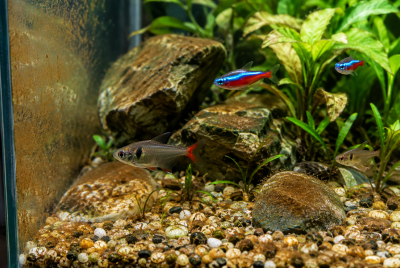
- Schooling fish: Tetras, danios, and rasboras appreciate the same water conditions
- Peaceful cichlids: Angelfish, rams, and apistos coexist well with proper tank size
- Live-bearers: Guppies, mollies, platies, and swordtails make colorful additions
- Other bottom dwellers: Corydoras catfish, kuhli loaches (with adequate hiding spots)
- Invertebrates: Snails and adult shrimp generally remain unbothered
Understanding Territorial Behavior
Some species, especially males, can be territorial towards their own kind or other bottom dwellers. When keeping multiple bristlenoses, aim for more females than males and provide plenty of caves and hides for everyone to choose their favorite. Male disputes typically involve posturing rather than serious aggression, but adequate territory prevents constant stress.
Health Considerations and Common Issues
Bristlenose plecos are resilient against uncommon health issues and tend not to have any major problems. However, poor conditions trigger preventable diseases.
Recognizing Common Ailments
Ich (White Spot Disease) appears as small white spots on fins and body. This disease is mainly caused by poor water tank conditions. Treatment involves raising temperature slightly and performing water changes. Maintain clean, stable water parameters to prevent outbreaks.
Bacterial infections including dropsy and fin rot stem from malnutrition and unhygienic conditions. The possible treatment is focusing on their diet and using clean water. Symptoms include swollen abdomen, damaged fins, and lethargy. Improve water quality immediately and consider antibacterial medications if conditions don’t improve.
Prevention Through Maintenance
If a pleco begins to rush to the surface for air more often than usual, this could indicate oxygen levels have fallen or ammonia/nitrate are present. Weekly water changes of 25-30% maintain optimal conditions. Test water parameters regularly, especially during the first months of tank establishment.
Bristlenose plecos might live up to 12 years if properly cared for, though on average they live around 5 years in various habitats. The difference between these ranges depends entirely on care quality—stable parameters, proper nutrition, and stress-free environments extend lifespan significantly.
Breeding Bristlenose Plecos
Bristlenose plecos are incredibly easy to breed as long as you have the right setup. Many aquarists accidentally breed them when conditions align perfectly, discovering fry hiding in caves weeks later.
Creating Breeding Conditions
Use a 20-gallon tank with live plants for cover, driftwood to grow biofilm for babies to feed on, and a gentle sponge filter that won’t suck up fry. The aquarium should be well-seasoned with established biofilm and algae growth. You’ll need one male and one female, roughly 1-2 years old.
Distinguishing sexes becomes easier at maturity. Male bristlenoses grow spikes at the top of their head, while females sometimes grow spikes that are significantly less pronounced than males. Males also develop broader heads and more robust builds.
The Breeding Process
Bristlenose plecos are cave spawners, so providing caves, PVC pipes, or other hiding spots is essential for successful breeding. The male selects and cleans a cave, then entices the female inside through courtship displays. After spawning, she lays 20-200 eggs depending on age and size.
Once eggs are laid, the male takes on the responsibility of guarding and fanning them to keep them oxygenated. During this period he will eat very little, spending all his time caring for the eggs. Respect this dedication by not disturbing the cave.
Eggs usually hatch within 4-6 days, and fry become free-swimming a few days after hatching. Bristlenose fry will begin to eat algae around your tank and powdered spirulina, gradually introducing them to live foods such as vegetation and pellets as they grow.
Raising Healthy Fry
Other fish will readily eat small fry, so it’s prudent to place newborn plecos in an isolated tank while they grow. Alternatively, provide dense vegetation and numerous small hiding spots if raising fry in the community tank. Survival rates decrease significantly without protection from predation.
Feed fry multiple small meals daily. Powdered spirulina, crushed algae wafers, and fresh biofilm from established driftwood provide essential nutrition. As they reach 1 inch, transition to regular pleco foods. Growth rates vary, but most reach juvenile size (1.5-2 inches) within 3-4 months.
Long-Term Care and Considerations
Maintenance Routines
Establishing consistent maintenance prevents most problems. Weekly water changes of 25-30% remove accumulated nitrates and replenish minerals. Because of their size and the amount of food they consume, bristlenoses produce a large amount of waste. When sharing tanks with multiple fish, increase water change frequency or upgrade filtration.
Gravel vacuuming removes waste that accumulates in substrate and decoration crevices. Pay special attention to areas around driftwood and caves where plecos spend most time. Clean filter media monthly in tank water to preserve beneficial bacteria while removing debris.
Growth and Development
Monitor growth patterns to ensure proper development. Average bristlenose pleco size is somewhere between 3 and 5 inches long, with variations like the longfin tending toward the shorter end of this range. Stunted growth indicates poor conditions or inadequate nutrition.
Color variations add interest to breeding projects. Bristlenoses are generally in black, mottled brown, gray, olive, and albino shades, though some have strong color variations ranging from orange, red, and lemon to albino gold. Tank background and substrate color influence appearance—plecos lighten or darken to better blend with their environment.
Addressing Behavioral Changes
Changes in behavior signal potential problems. Excessive surface breathing indicates low oxygen or high ammonia. Refusing food suggests illness or poor water quality. Increased aggression might mean inadequate hiding spots or territory. Address root causes rather than symptoms for lasting solutions.
Special Considerations for Advanced Keeping
Managing Multiple Bristlenoses
Smaller species like the bristlenose pleco can be kept in multiples as long as you aim for more females than males and provide plenty of caves and hides. Calculate one cave per pleco minimum, plus extras to reduce competition. Males establish territories centered around preferred caves but rarely inflict serious damage during disputes.
In larger tanks (75+ gallons), small groups create fascinating social dynamics. Observe feeding times carefully to ensure submissive individuals receive adequate nutrition. Sometimes shy plecos benefit from target feeding in their preferred hiding spots.
Algae Control Expectations
Bristlenose plecos seem especially good at eating almost any type of algae, including green algae, black hair algae (they won’t eliminate it but will keep it under control), green slime algae, and brown algae. However, they’re not magic solutions to algae problems.
Underlying issues causing excessive algae—excess nutrients, inappropriate lighting, imbalanced fertilization—require correction. Bristlenoses complement good aquarium management rather than replacing it. In heavily planted tanks with minimal algae, supplemental feeding becomes even more critical.
Integration with Sensitive Species
Bristlenose plecos are the ideal algae control fish for almost any freshwater aquarium, thriving in almost any temperature and type of water (hard or soft). Their adaptability allows integration with species having specific requirements.
In planted tanks with CO2 injection and bright lighting, bristlenoses adapt readily. In blackwater biotopes with tannin-stained water and low pH, they feel right at home. This flexibility makes them valuable members of specialized setups where other algae eaters struggle.
Troubleshooting Common Challenges
My Pleco Won’t Eat Vegetables
Some individuals show initial reluctance toward blanched vegetables. Try different preparation methods—some prefer raw vegetables while others only accept thoroughly softened ones. Variety matters too; a pleco rejecting zucchini might devour cucumber. Persistence pays off as vegetables provide essential fiber and nutrients.
Attach vegetables to feeding clips positioned in preferred hiding areas. Plecos often feed more confidently in dim conditions or after lights out. If rejection continues, focus on high-quality commercial foods with vegetable content while occasionally offering fresh options.
Excessive Waste Production
Bristlenose plecos produce a large amount of waste due to their size and food consumption. If waste becomes problematic, evaluate feeding amounts first. Overfeeding creates unnecessary waste and degrades water quality faster than proper portions.
Upgrade filtration if waste overwhelms current capacity. Canister filters with multiple media stages provide mechanical, chemical, and biological filtration. Increase water change frequency during periods of heavy feeding or breeding activity. Additional live plants consume nitrates that accumulate from waste breakdown.
Pleco Disappears for Days
This behavior is completely normal. Bristlenose plecos naturally spend a good portion of their day in hiding. They’re primarily nocturnal, emerging mainly after lights out when they feel secure. Position caves where you can observe interiors without disturbing occupants.
Concern becomes warranted only when disappearance accompanies other symptoms—refusing food when offered during active periods, visible injuries, or deteriorating water quality. Otherwise, respect their preference for secluded spaces during daylight hours.
Creating a Thriving Bristlenose Community
Bristlenose plecos thrive when their natural needs are understood and respected. These small, peaceful catfish offer reliable algae control, interesting behavior, and adaptability, making them excellent additions to many freshwater tanks.
Begin with proper setup: enough tank space, driftwood for grazing and digestion, multiple hiding spots, and good filtration. Maintain stable conditions through regular testing, consistent water changes, and quick reactions to any parameter changes. Provide a balanced diet—algae wafers, vegetables, and occasional protein—preferably fed at night when they are most active.
Observation is key. Each pleco has unique habits, from preferred hiding spots to favorite foods. Noticing these traits strengthens the bond between keeper and fish and turns routine care into an enjoyable part of the hobby.
With clean water, shelter, and proper nutrition, bristlenose plecos stay healthy, peaceful, and highly rewarding. Their “prehistoric” look and hardworking nature make them both practical and charming.
As they grow, their personalities and appearance develop. Males grow bristles, colors deepen, and some may even breed. Watching a male guard his cave or seeing tiny fry cling to driftwood showcases how fulfilling proper care can be.
Whether you’re starting your first aquarium or expanding an established setup, bristlenose plecos deserve consideration. Their manageable size, gentle temperament, and engaging behaviors make them suitable for a wide range of aquariums. With attention and respect for their needs, these remarkable catfish will thrive and provide years of enjoyment.
Frequently Asked Questions
How long do bristlenose plecos live?
Bristlenose plecos typically live 5-12 years in captivity with proper care. The wide range reflects care quality—fish kept in optimal conditions with stable water parameters, proper nutrition, and adequate space consistently reach the higher end of this lifespan. Regular maintenance, appropriate tank size, and balanced diet are key factors in longevity.
Can bristlenose plecos live with goldfish?
Yes, bristlenose plecos are one of the few pleco species safe with goldfish. They tolerate the cooler temperatures (60-72°F) that goldfish prefer and won’t attack slow-moving goldfish or damage their slime coats like some larger plecos might. Ensure adequate space (minimum 40 gallons for the combination) and provide extra filtration since both species produce significant waste.
Do bristlenose plecos need driftwood?
Yes, driftwood is essential for bristlenose pleco health. It serves multiple purposes: providing biofilm for grazing, offering necessary fiber for digestion, creating natural hiding spots, and releasing beneficial tannins into the water. Without driftwood, plecos may experience digestive issues and increased stress. Choose natural, aquarium-safe wood that has been properly prepared.
How can you tell male and female bristlenose plecos apart?
Males develop prominent bushy bristles on top of their heads starting around 6 months of age, growing longer and more elaborate with maturity. Females also develop bristles, but these remain much shorter and grow primarily around the mouth area rather than on top of the head. Males also typically grow slightly larger with broader heads and more robust bodies.
What size tank does a bristlenose pleco need?
A minimum of 30 gallons is recommended for a single bristlenose pleco. While they only grow 3-5 inches long, they produce significant waste and need adequate swimming space and territory. Larger tanks (40+ gallons) are preferable when keeping them with other fish or if planning to keep multiple bristlenoses. More space always benefits water quality and reduces territorial stress.