Complete Guide to Molly Fish Care
*We may earn a commission for purchases made using our links. Please see our disclosure to learn more.
Molly fish have captured the hearts of aquarium enthusiasts worldwide with their vibrant colors, peaceful temperament, and remarkable adaptability. These lively freshwater fish belong to the Poecilia genus and originate from the warm waters of Central and South America. Whether someone is just starting their aquarium journey or looking to expand an established tank, mollies represent an excellent choice that combines beauty with relatively straightforward care requirements.
Understanding the nuances of molly fish care ensures these captivating creatures thrive in their aquatic environment. From water conditions to dietary needs, creating the ideal habitat requires attention to several key factors. With proper care, mollies can live for three to five years, bringing continuous enjoyment and visual appeal to any home aquarium.
Key Takeaways
- Molly fish require a minimum 20-gallon tank with stable water temperatures between 72-78°F
- These fish are livebearers that reproduce easily, with females giving birth to live fry every 30-60 days
- A balanced diet including high-quality flakes, algae, and occasional live foods promotes optimal health
- Regular water changes of 25-30% weekly maintain proper water quality and prevent disease
- Mollies thrive in slightly alkaline water with pH levels between 7.5-8.5
- Compatible tank mates include other peaceful community fish like guppies, platies, and tetras
- Proper filtration and adequate swimming space are essential for molly fish wellbeing
Recommended Products for Molly Fish Care
Aqueon Aquarium 20 Gallon Long

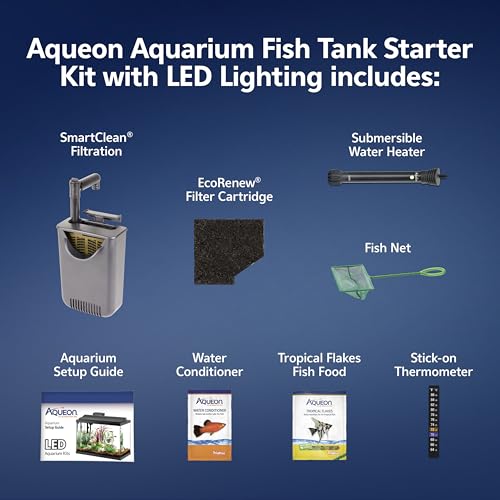

The Aqueon 20 Gallon Aquarium Starter Kit is the perfect all-in-one solution for beginners and hobbyists. It includes a glass tank, LED hood, SmartClean internal power filter, EcoRenew cartridge, preset 50W heater, fish food, water conditioner, net, thermometer, and setup guide. Designed for tropical freshwater fish, this kit makes setup simple while ensuring a stable, healthy environment. With efficient SmartClean filtration and energy-saving LED lighting, this 20-gallon starter kit is ideal for first-time aquarists or anyone upgrading to a larger tank.
- Complete Package: Includes everything needed—filter, heater, food, and water conditioner—for a quick start.
- SmartClean Filtration: Makes water changes faster and easier, helping improve water quality.
- LED Lighting: Low-profile hood with cool white LEDs enhances aquarium viewing.
- Heater Fixed at 78°F: May not suit all fish species that prefer cooler or warmer water.
- Filter Size Medium: May require upgrading for heavier bioload or sensitive species.
- Higher Price Point: Slightly more expensive than similar starter kits.
A spacious starter tank perfect for a small group of mollies, featuring crystal-clear glass and a versatile design that accommodates all necessary equipment. The 20-gallon capacity provides ample swimming space while maintaining manageable maintenance requirements.
Fluval C3 Power Filter
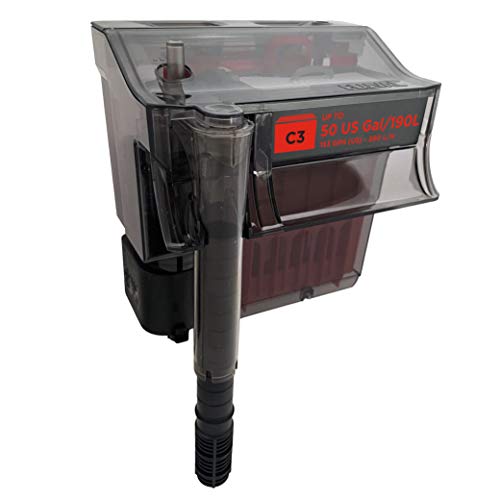
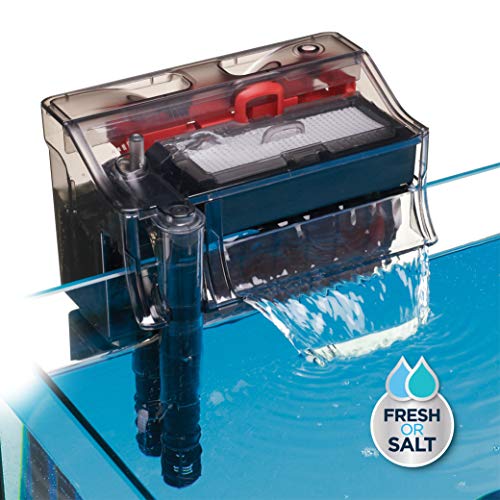

The Fluval C3 Power Filter is an ideal filtration solution for aquariums up to 50 gallons—perfect for maintaining clean, stable water conditions essential for excellent Molly Fish Care. With its advanced 5-stage filtration system, this clip-on filter provides mechanical, chemical, and biological cleaning to keep Molly tanks clear, oxygen-rich, and free from harmful toxins. Its dual mechanical foam traps large and fine debris, while activated carbon removes impurities that Mollies are sensitive to. The biological chamber, powered by Fluval C-Nodes and a bio-screen, supports strong beneficial bacteria growth—crucial for the health of livebearers like Mollies that thrive in stable, well-cycled environments.
- Strong Multi-Stage Filtration: Provides mechanical, chemical, and biological filtration ideal for maintaining healthy Molly environments.
- Easy Maintenance Design: Foam inserts slide out for quick cleaning, reducing stress for both hobbyists and Mollies.
- Excellent Biological Support: Bio-screen pad and trickle chamber promote strong bacterial colonies for stable water parameters.
- A Bit Noisy on Higher Settings: May produce slight hum compared to quieter filters.
- Requires Regular Foam Replacement: Mechanical media needs more frequent cleaning to maintain peak performance.
- Bulkier Clip-On Design: Takes more space on the tank rim than standard HOB filters.
This efficient filtration system handles tanks up to 50 gallons, providing mechanical, chemical, and biological filtration to keep molly habitats clean and healthy. The multi-stage filtration process ensures optimal water quality for thriving fish.
Omega One Veggie Rounds

The Omega One Veggie Rounds are a nutrient-rich sinking food ideal for supporting balanced Molly Fish Care. Made with fresh ocean kelp, spirulina, and high-quality whole ingredients, these 14mm sinking discs deliver Omega-3 and Omega-6 fatty acids that strengthen the immune system of Mollies. Their naturally low-starch formula helps reduce waste, keeping water clearer—important for maintaining healthy conditions in Molly aquariums. With no meals or processed protein fillers, these Veggie Rounds offer superior nutrition for livebearers that benefit from a plant-based diet.
- Nutrient-Rich Ingredients: Fresh kelp, spirulina, and omega-rich nutrients support Molly health and immunity.
- Cleaner Water Performance: Naturally insoluble formula reduces cloudiness and waste in Molly tanks.
- High-Quality Whole Proteins: Contains no meals or hydrolysates, ensuring cleaner digestion for Mollies.
- Large Disc Size: 14mm rounds may need to be broken for smaller Mollies or juveniles.
- May Sink Quickly: Some Mollies prefer mid-water feeding and may take time to adapt.
- Higher Price Point: Costs more than basic fish foods, though quality matches the price.
Specially formulated sinking wafers that cater to mollies’ herbivorous tendencies, packed with nutritious spirulina and kelp. These veggie rounds provide essential vitamins and minerals while supporting vibrant coloration.
Hygger Aquarium Heater 100W


Keep your aquatic pets safe and comfortable with the hygger Aquarium Heater, available in 300W to 1000W sizes for tanks ranging from 40 to 260 gallons. Designed for both freshwater and saltwater use, this submersible heater features an easy-to-use digital LED controller that displays real-time temperature and safety alerts. Built with explosion-proof quartz glass and a high-temperature resistant heating wire, it heats your tank quickly and evenly. The intelligent auto shut-off system activates when overheating or out-of-water conditions are detected, ensuring maximum protection for your fish. With a long 10.1-foot power cord, included mounting accessories, and a sleek black design, this heater is ideal for both novice and experienced aquarists.
- User-Friendly Controller: Digital LED controller with accurate temperature display and external mounting bracket for easy adjustments.
- Smart Safety Features: Automatically shuts off when overheating or removed from water, protecting your fish and preventing damage.
- Fast & Reliable Heating: Durable construction and high-performance heating elements ensure quick and consistent water temperature.
- Large Size: The heater may be bulky for smaller tanks or visually intrusive in minimalist setups.
- Alarm Volume: Some users find the built-in alarm sounds a bit loud or disruptive.
- Limited Warranty: Only includes a 12-month warranty, which may be short compared to competitors.
A reliable submersible heater with precise temperature control and an LED display, ensuring mollies enjoy consistently warm water within their preferred range. The external temperature controller allows easy adjustments without disturbing the tank.
Understanding Molly Fish Species
Multiple molly varieties exist in the aquarium trade, each displaying unique characteristics and visual appeal. The common molly, sailfin molly, and balloon molly represent the most popular types, though numerous color variations and fin shapes have been developed through selective breeding.
Sailfin mollies stand out with their dramatically enlarged dorsal fins, which males display prominently during courtship rituals. These impressive fins can extend nearly the entire length of the fish’s back, creating a stunning silhouette when fully extended. Black mollies feature solid, jet-black coloration that provides striking contrast in planted aquariums, while dalmatian mollies sport white bodies decorated with black spots reminiscent of their canine namesake.
Balloon mollies possess a distinctive rounded body shape resulting from selective breeding, giving them an endearing, compact appearance. While undeniably cute, this body modification can make them slightly more susceptible to swim bladder issues, requiring careful monitoring of feeding practices.
Color variations extend beyond these basic types, with orange, white, gold, and multicolored varieties readily available. Some mollies even display metallic sheens or marbled patterns, offering endless possibilities for creating visually dynamic aquarium displays.
Tank Setup Requirements
Creating an appropriate environment forms the foundation of successful molly fish care. These active swimmers require adequate space to move freely and establish natural social hierarchies. A minimum tank size of 20 gallons suits a small group of three to four mollies, though larger tanks provide greater stability and allow for expanded communities.
Tank dimensions matter as much as volume. Mollies prefer longer tanks that maximize horizontal swimming space rather than tall, narrow designs. This horizontal orientation mimics their natural habitat and accommodates their energetic swimming patterns.
Substrate selection offers flexibility, with sand, fine gravel, or smooth pebbles all working well. Many aquarists prefer darker substrates that enhance the vibrant colors of their fish while reducing glare. Avoid sharp or rough materials that could damage delicate fins or mouths during bottom-feeding activities.
Decorations should balance aesthetic appeal with functional benefit. Smooth rocks, driftwood, and aquarium-safe ornaments create visual interest while providing hiding spots that reduce stress. However, maintaining open swimming areas remains crucial, as mollies appreciate ample space for their constant movement.
Live plants serve multiple purposes in molly tanks, contributing to water quality through nutrient absorption while offering natural shelter and supplemental food sources. Hardy species like java fern, anubias, and amazon swords tolerate the slightly alkaline conditions mollies prefer. Floating plants like water sprite provide cover for newborn fry while diffusing lighting to create a more natural ambiance.
Water Parameters and Quality
Maintaining proper water conditions represents perhaps the most critical aspect of molly fish care. These fish evolved in warm, slightly brackish coastal waters, influencing their specific requirements even when kept in freshwater aquariums.
Temperature stability matters considerably, with mollies thriving between 72-78°F (22-26°C). Sudden temperature fluctuations stress fish and compromise immune function, making reliable heating equipment essential. A quality aquarium heater with a built-in thermostat maintains consistent warmth year-round.
Water chemistry significantly impacts molly health and longevity. These fish prefer slightly alkaline conditions with pH levels between 7.5-8.5, higher than many other common aquarium species. Water hardness should fall within the moderate to hard range, typically 15-30 dGH. Many aquarists successfully maintain mollies in standard freshwater conditions, though adding a small amount of aquarium salt (one tablespoon per five gallons) can enhance their wellbeing and disease resistance.
Ammonia and nitrite levels must remain at zero at all times, as these toxic compounds quickly harm fish even at low concentrations. Nitrates should stay below 20-40 ppm through regular water changes and proper filtration. Testing water parameters weekly during the initial setup period helps establish a stable environment, with testing frequency potentially decreasing to biweekly once the tank matures.
Filtration plays a vital role in maintaining water quality. Mollies produce moderate waste, requiring filtration systems rated for at least the tank’s full volume, if not slightly higher. Hang-on-back filters, canister filters, and sponge filters all work effectively, with the choice depending on tank size and personal preference. Biological filtration proves particularly important, as beneficial bacteria colonies convert harmful ammonia and nitrites into less toxic nitrates.
Feeding and Nutrition
Molly fish are omnivores with strong herbivorous tendencies, requiring a varied diet to maintain optimal health and coloration. In their natural habitat, these fish graze constantly on algae, plant matter, and small invertebrates, behaviors that should inform feeding practices in captivity.
High-quality flake food or small pellets formulated for livebearers should form the dietary foundation. These commercial foods contain balanced nutrients specifically designed for molly requirements, including proteins, vitamins, and color-enhancing compounds. Look for products listing spirulina, algae, or vegetables among the primary ingredients, as these align with mollies’ natural feeding preferences.
Supplementing prepared foods with fresh vegetables enhances nutrition and provides enrichment. Blanched spinach, zucchini, cucumber, and lettuce offer excellent options that mollies eagerly consume. Simply attach a slice of vegetable to a veggie clip or weight it down, allowing fish to graze naturally throughout the day. Remove uneaten portions after 12-24 hours to prevent water quality degradation.
Live and frozen foods add variety while satisfying mollies’ predatory instincts. Brine shrimp, daphnia, and bloodworms serve as excellent occasional treats that boost protein intake and stimulate natural hunting behaviors. These protein-rich foods prove particularly beneficial for breeding females and growing juveniles.
Feeding frequency and portion size require careful consideration. Adult mollies should receive small amounts of food 2-3 times daily, with each portion consumed within two to three minutes. Overfeeding ranks among the most common mistakes in aquarium keeping, leading to obesity, water quality issues, and health complications. Observing fish during feeding helps gauge appropriate portions—their bellies should appear slightly rounded but not distended.
Fasting one day per week benefits digestive health and prevents obesity. This practice mimics natural feast-and-famine cycles while giving the fish’s digestive system time to process food completely.
Social Behavior and Tank Mates
Molly fish display peaceful, social personalities that make them ideal candidates for community aquariums. These active swimmers constantly interact with their environment and tankmates, creating dynamic, entertaining displays throughout the day.
Keeping mollies in groups of at least three to four individuals promotes natural behavior and reduces stress. Within these groups, social hierarchies develop with dominant males displaying more intensely and claiming preferred territories. Maintaining a ratio of two to three females per male prevents excessive harassment of individual females and distributes male attention more evenly.
Male mollies frequently engage in courtship displays, extending their fins and performing swimming dances to attract female attention. While generally harmless, overly persistent males may stress females, making appropriate group ratios essential. Providing adequate hiding spots and visual barriers helps females escape unwanted attention when needed.
Compatible tank mates share mollies’ peaceful temperament and similar water parameter requirements. Excellent companions include other livebearers like guppies, platies, and swordtails, which coexist harmoniously and even interbreed occasionally. Peaceful tetras, rasboras, and corydoras catfish also make suitable neighbors, adding variety to community tanks.
Certain species should be avoided when housing mollies. Aggressive or fin-nipping fish like tiger barbs or some cichlid species cause stress and physical damage. Very small species might be viewed as food by larger mollies, while extremely slow-moving fish with flowing fins may trigger unwanted chasing behaviors.
Bottom-dwelling species complement mollies nicely since they occupy different tank zones. Corydoras catfish, kuhli loaches, and small plecos help maintain tank cleanliness while avoiding competition for swimming space. Snails and shrimp can coexist with mollies in most cases, though very tiny shrimp might occasionally be eaten.
Breeding and Reproduction
Molly fish rank among the easiest aquarium fish to breed, with reproduction occurring readily in well-maintained tanks. As livebearers, female mollies carry developing embryos internally and give birth to free-swimming fry rather than laying eggs. This reproductive strategy increases offspring survival rates compared to egg-laying species.
Sexual maturity arrives at approximately three to four months of age, with females typically larger than males of the same age. Identifying gender becomes straightforward once fish mature—males display larger, more elaborate dorsal fins and possess a modified anal fin called a gonopodium used for reproduction. Females show rounder body profiles and lack the pointed gonopodium.
Mating occurs frequently in mixed-gender groups, with males pursuing receptive females through elaborate courtship displays. After successful mating, females store sperm and can produce multiple broods from a single encounter, sometimes continuing to give birth for several months.
Gestation lasts approximately 30-60 days depending on water temperature and the female’s health. Pregnant females develop noticeably rounded abdomens, and a dark gravid spot becomes visible near the anal fin as birth approaches. Some females seek quiet areas or display restless behavior immediately before giving birth.
Birth typically occurs over several hours, with females releasing 20-100 fry depending on their size and age. Newborn mollies measure approximately one-quarter inch long and can swim immediately, though they instinctively seek shelter among plants or decorations.
Adult mollies lack strong parental instincts and may consume their own offspring if given the opportunity. Aquarists serious about raising fry should provide dense planting, particularly floating plants that offer refuge. Alternatively, moving heavily pregnant females to separate breeding tanks ensures maximum fry survival, though this approach stresses females and requires careful monitoring.
Fry Care and Development
Successfully raising molly fry requires attention to their specific needs during vulnerable early life stages. These tiny fish face numerous challenges, from predation to nutritional requirements, making dedicated care essential for survival.
Newborn fry need immediate access to appropriately sized food. Their mouths are too small for standard flake food, requiring specialized fry food, crushed flakes, or live foods like infusoria and newly hatched brine shrimp. Feeding should occur 3-4 times daily in small amounts to support rapid growth without compromising water quality.
Maintaining pristine water conditions proves even more critical for fry than adults. These developing fish show greater sensitivity to ammonia, nitrites, and nitrates, making frequent water changes necessary. Many breeders perform small daily water changes of 10-15% rather than larger weekly changes to maintain stable parameters while removing waste.
Growth rates vary based on genetics, feeding frequency, and water conditions, but fry typically reach juvenile size within 6-8 weeks. As they grow, gradually increasing food particle size ensures they receive adequate nutrition. Transitioning from fry food to finely crushed flakes and then standard flake food occurs over several weeks.
Separating fry by size prevents larger individuals from outcompeting smaller siblings for food. Some cannibalism may occur if size disparities become significant, particularly during the first few weeks of life.
Sexual differentiation becomes apparent at approximately 8-12 weeks, allowing aquarists to separate males and females if controlling breeding is desired. However, many simply allow natural population dynamics to develop in community tanks.
Common Health Issues
Despite their hardy nature, molly fish can develop various health problems when conditions fall outside their preferred parameters or when introduced to infected tanks. Recognizing early warning signs enables prompt treatment and better outcomes.
Ich, or white spot disease, appears as tiny white dots covering the fish’s body and fins, resembling salt grains. This parasitic infection thrives in stressed fish and suboptimal water conditions. Treatment involves gradually raising water temperature to 80-82°F while administering medication specifically designed for ich.
Fungal infections manifest as cotton-like growths on the body, fins, or mouth. These secondary infections typically follow injuries or other illnesses that compromise the skin’s protective mucus layer. Antifungal medications combined with excellent water quality usually resolve these issues.
Fin rot causes progressive deterioration of fin tissue, often resulting from poor water quality or aggressive tank mates. Affected fins appear ragged, discolored, or shortened. Addressing underlying water quality issues and applying appropriate medications stops the progression and allows fins to regenerate.
Velvet disease creates a gold or rust-colored dust-like coating on the fish’s body, caused by parasitic dinoflagellates. This condition often results from stress or introduction of infected fish. Treatment requires medication and darkening the tank, as the parasites need light for their lifecycle.
Mollies occasionally develop “shimmies,” a condition causing fish to remain stationary while swaying side to side. This behavior often indicates water quality issues, particularly incorrect pH or temperature. Correcting water parameters and adding aquarium salt usually resolves shimmies.
Preventing disease proves easier than treating it. Quarantining new fish for 2-4 weeks before adding them to established tanks prevents disease introduction. Maintaining stable water parameters, providing nutritious varied diets, and avoiding overcrowding significantly reduce disease incidence.
Maintenance and Long-term Care
Consistent maintenance routines ensure molly fish enjoy healthy, stress-free lives for their full lifespan. Establishing regular schedules prevents problems before they develop and maintains stable conditions.
Weekly water changes of 25-30% remove accumulated waste products, replenish minerals, and dilute harmful compounds. Using a gravel vacuum during water changes extracts debris from substrate, preventing anaerobic pockets and maintaining beneficial bacteria colonies. Always treat tap water with dechlorinator before adding it to the tank, and match the temperature to avoid shocking fish.
Testing water parameters weekly during the first few months helps identify potential issues early. Once the tank stabilizes, testing every two weeks or monthly suffices unless problems arise. Keeping a log of test results helps track trends and identify gradual changes that might otherwise go unnoticed.
Filter maintenance requires balance—cleaning too frequently removes beneficial bacteria, while neglecting filters reduces efficiency. Generally, rinsing filter media in tank water during water changes every 2-4 weeks maintains performance without destroying bacterial colonies. Replace mechanical filter media according to manufacturer recommendations, typically monthly.
Algae growth naturally occurs in all aquariums, particularly those near windows or with extended lighting periods. Moderate algae benefits mollies by providing supplemental nutrition, but excessive growth indicates excess nutrients or lighting. Manual removal, reducing feeding amounts, and limiting light duration to 8-10 hours daily controls algae without chemicals.
Equipment checks should occur monthly, ensuring heaters maintain proper temperature, filters produce adequate flow, and lighting functions correctly. Having spare equipment readily available prevents emergencies when devices fail unexpectedly.
Conclusion
Molly fish care combines simplicity with rewarding results, making these vibrant livebearers perfect for aquarists at any experience level. Their peaceful temperament, active personalities, and stunning variety ensure they remain perennial favorites in the freshwater aquarium hobby.
Success with mollies hinges on understanding and meeting their specific needs—slightly alkaline water, warm stable temperatures, varied nutrition, and adequate space for their energetic swimming. While they tolerate a range of conditions, maintaining parameters within their preferred ranges maximizes health, coloration, and longevity.
The ease with which mollies reproduce offers opportunities to observe fascinating reproductive behaviors and life cycles. Whether allowing natural population dynamics or actively breeding specific varieties, watching these fish thrive and multiply provides endless fascination.
Community aquariums benefit enormously from molly fish presence. Their constant activity, peaceful interactions, and color variety create dynamic displays that never become boring. Combined with compatible tank mates, mollies help create thriving underwater ecosystems that bring joy for years.
With proper care, regular maintenance, and attention to their needs, molly fish reward their keepers with years of beauty and entertainment. These remarkable fish prove that successful aquarium keeping needn’t be complicated—just consistent, informed, and attentive to the creatures in our care.
“Mollies are among the most adaptable and forgiving fish in the aquarium hobby, but they still reward attention to detail with vibrant colors and energetic behavior that brighten any room.” — Tropical Fish Hobbyist Magazine
Frequently Asked Questions
How many molly fish can be kept in a 10-gallon tank?
A 10-gallon tank is too small for mollies as a permanent home. These active swimmers require at least 20 gallons for a small group of three to four fish. Overcrowding in undersized tanks leads to stress, aggression, poor water quality, and stunted growth. Larger tanks also provide greater stability in water parameters, making them easier to maintain and healthier for fish.
Can molly fish live in cold water without a heater?
Molly fish are tropical species requiring consistently warm water between 72-78°F. Room temperature typically falls below this range, particularly at night or during cooler months. Without proper heating, mollies become sluggish, lose appetite, and develop compromised immune systems that make them vulnerable to disease. A reliable aquarium heater is essential equipment for keeping mollies healthy.
Why do molly fish stay at the top of the tank?
Mollies gathering near the surface often indicates low oxygen levels in the water. This behavior, called gasping or piping, signals poor water quality, inadequate filtration, or overcrowding. Check ammonia, nitrite, and nitrate levels immediately, increase surface agitation to improve oxygen exchange, and perform a partial water change. If the issue persists, evaluate whether the tank is overstocked or the filter is functioning properly.
How long do molly fish stay pregnant?
Female mollies carry developing fry for approximately 30-60 days, with the exact duration depending on water temperature and individual factors. Warmer water within their preferred range tends to shorten gestation slightly. After giving birth, females can become pregnant again almost immediately, and they retain sperm from previous matings that can result in multiple births without further breeding.
Can different types of molly fish breed together?
Different molly varieties can interbreed, as they all belong to the same species or closely related species within the Poecilia genus. Sailfin mollies, balloon mollies, and common mollies readily crossbreed, producing hybrid offspring with mixed characteristics. While this genetic mixing creates interesting variations, it makes maintaining specific strains challenging. Breeders seeking to preserve particular varieties must separate different types to prevent unwanted hybridization.