Why Are Aquarium Plants Melting?
*We may earn a commission for purchases made using our links. Please see our disclosure to learn more.
Aquarium enthusiasts often experience a disheartening phenomenon when their vibrant, healthy-looking plants suddenly begin deteriorating. Leaves turn translucent, disintegrate into mush, or simply fall apart at the slightest touch. This process, commonly referred to as “melting,” can be alarming for both novice and experienced aquarists. Understanding why this happens and how to address it is crucial for maintaining a thriving aquatic environment.
Plant melting in aquariums is a natural response to environmental changes and stress factors. While it may appear catastrophic, this condition is often temporary and manageable with proper intervention. The key lies in identifying the underlying causes and implementing appropriate corrective measures before the damage becomes irreversible.
Key Takeaways
- Plant melting is typically a stress response to environmental changes rather than a disease
- Transition shock from different water conditions is the most common cause in newly acquired plants
- Inadequate lighting, poor water parameters, and nutrient deficiencies contribute significantly to plant deterioration
- Most plants can recover from melting if the root system remains healthy
- Preventive measures are more effective than reactive treatments
Recommended Products
NICREW ClassicLED Plus Planted Aquarium Light



NICREW presents a Classic-styled aquarium LED light with dimensions of 5.2"D x 17.7"W x 3.2"H, designed to elevate aquatic environments. Its blue and white hues add to its aesthetic appeal, offering a vibrant yet adjustable lighting experience. With a focus on plant growth, this light boasts 6500K White LEDs and optimized 460nm Blue LEDs, ensuring healthy plant development and an optimal spectrum for aquatic life.
- Enhanced Brightness: 50% brighter LEDs for optimal plant growth.
- Adjustable Lighting: Customizable brightness and color temperature.
- Convenient Timer: Built-in 8/10/12H timer with gradual transitions.
- Limited Size Range: Fits specific aquarium sizes (18-24 inches).
- Specialized Use: Primarily suited for fish-only and specific plant setups.
- Fixed Light Length: Length may not suit all tank configurations.
This full-spectrum LED lighting system is specifically designed for planted tanks and provides the optimal light intensity and wavelength range needed for photosynthesis. The light features adjustable brightness settings and a built-in timer to maintain consistent photoperiods, preventing light-related stress that can trigger melting. Available in multiple sizes to fit various tank dimensions.
API LEAF ZONE Freshwater Aquarium Plant Fertilizer
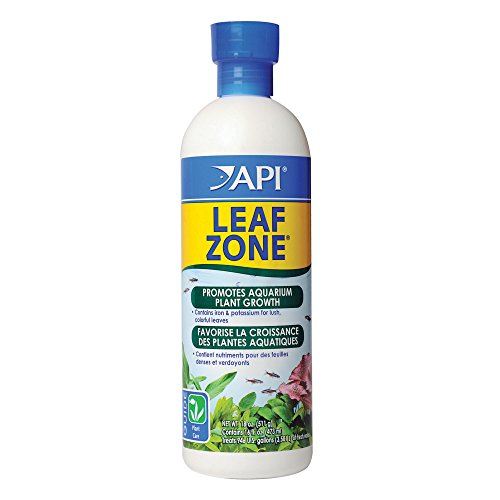


Struggling with melting aquarium plants? API LEAF ZONE Freshwater Aquarium Plant Fertilizer is specially formulated to provide essential nutrients that prevent plant decay and promote healthy, vibrant growth. This liquid fertilizer contains chelated iron and potassium, key elements your plants need to thrive. With rapid absorption, it helps strengthen leaves, prevent yellowing, and revive stressed plants. Simply dose 5 ml per 10 gallons of freshwater weekly for strong, colorful, and resilient aquarium plants.
- Nutrient Support: Provides chelated iron and potassium for healthier, more resilient plants
- Easy to Use: Simple weekly dosing keeps plants thriving without complicated procedures
- Revives Plants: Helps prevent yellowing and melting leaves in freshwater aquariums
- Limited Size: 16-ounce bottle may require frequent repurchasing for larger tanks
- Weekly Dosing Required: Needs consistent application to maintain plant health
- Only for Freshwater: Not suitable for saltwater or marine aquariums
If you’ve noticed your aquarium plants are melting or leaves are turning yellow, it’s often due to nutrient deficiencies or stress in the tank. API LEAF ZONE Freshwater Aquarium Plant Fertilizer supplies critical nutrients like chelated iron and potassium, which are rapidly absorbed by plants to restore color, strength, and growth. Regular weekly dosing supports vibrant, healthy plants and helps prevent further leaf decay. Perfect for beginners and experienced aquarists alike. With API LEAF ZONE, you can revive your aquarium and enjoy lush, thriving aquatic plants.
FZONE Aquarium CO2 Regulator DC Solenoid


Are your aquarium plants melting despite proper care? The FZONE Aquarium CO2 Regulator DC Solenoid delivers precise CO2 control to support healthy, vibrant plant growth. Designed for freshwater planted tanks, this upgraded split-type DC solenoid provides stable and safe CO2 injection, ensuring your plants get the right amount of carbon dioxide for photosynthesis. With an included bubble counter and check valve, you can easily monitor CO2 flow and prevent backflow into the cylinder. Made from durable aluminum alloy with fine-tuning knobs, this system is built for accuracy and longevity.
- Precise CO2 Control: High-precision structure allows accurate fine-tuning for optimal plant growth
- Complete Kit: Includes bubble counter, check valve, and installation tools for easy setup
- Durable Construction: Aluminum alloy body with upgraded sealing materials prevents leaks and ensures long-term use
- Electric Required: DC solenoid requires power for automated CO2 control
- For Planted Tanks Only: Not necessary for aquariums without live plants
- Moderate Learning Curve: Beginners may need time to understand CO2 dosing and timing
If you’ve been asking yourself, “Why are aquarium plants melting?”, one common cause is insufficient or inconsistent CO2 levels. The FZONE Aquarium CO2 Regulator DC Solenoid provides a stable, controlled CO2 supply to freshwater planted aquariums, promoting strong leaf growth and preventing melting. Its high-precision design allows you to fine-tune CO2 flow with ease, while the included bubble counter and check valve ensure accurate monitoring and prevent backflow. Crafted from durable aluminum alloy with premium sealing materials, this system is built to last. Perfect for aquarists looking to restore their plants’ health and maintain lush, thriving aquascapes.
Fluval Plant and Shrimp Stratum
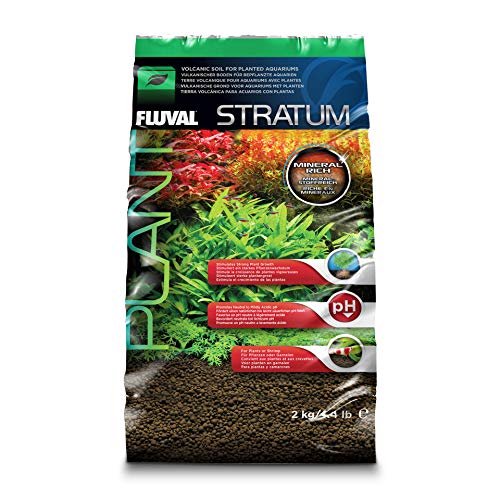


Enhance your planted aquarium with Fluval Plant and Shrimp Stratum, designed for optimal plant growth and a thriving shrimp community. Its porous granules support rapid colonization of beneficial bacteria, fostering a healthy ecosystem. Ideal for freshwater tanks, this substrate maintains a neutral to slightly acidic pH—perfect for supporting vibrant aquatic plants, tropical fish, and delicate shrimp. The stratum provides natural shelter for newborn shrimp, ensuring their safety during early development. Plus, it keeps water clear by reducing discoloration from organic materials like driftwood.
- Promotes Healthy Aquatic Life: Supports rapid beneficial bacteria growth for stable water conditions and plant health.
- Ideal pH Balance: Maintains a neutral to slightly acidic pH, beneficial for most tropical fish and shrimp species.
- Shrimp Protection: Provides natural hiding spots for newborn shrimp, safeguarding them from potential predators.
- Higher Price Point: Slightly more expensive than generic substrates, especially for larger aquariums.
- Initial Cloudiness: May cause slight water cloudiness upon first use, requiring careful rinsing or setup patience.
- Fragile Structure: Granules can break down over time with rough handling or aggressive cleaning methods.
This nutrient-rich substrate is specifically designed for aquatic plants and provides essential minerals directly to root systems. The volcanic soil maintains stable pH levels ideal for most aquarium plants and releases nutrients gradually, creating optimal conditions that minimize environmental stress. The lightweight granules promote healthy root development.
Understanding the Melting Process
When aquarium plants melt, they undergo a process of cellular breakdown that manifests as translucent, mushy, or disintegrating tissue. This phenomenon differs from typical decay in that it often affects otherwise healthy-looking plants suddenly and dramatically. The melting typically begins at the older leaves and progressively moves toward newer growth if left unaddressed.
The biological mechanism behind melting involves the plant’s inability to maintain cellular integrity under stressful conditions. When environmental parameters shift beyond the plant’s tolerance range, cellular processes become disrupted. The plant may struggle to maintain osmotic balance, leading to cell wall breakdown and the characteristic translucent appearance of melting leaves.
Different plant species exhibit varying susceptibility to melting. Stem plants and those with delicate leaves tend to be more vulnerable, while hardy species like Anubias and Java Fern rarely experience severe melting. Understanding these species-specific tendencies helps aquarists set realistic expectations and choose appropriate plants for their specific tank conditions.
Primary Causes of Plant Melting
Transition Shock
The most prevalent cause of aquarium plant melting occurs when plants are transferred from one environment to another. Commercial growers often cultivate aquatic plants in emersed (above water) conditions or in water chemistry vastly different from typical home aquariums. When these plants are introduced to a new aquarium, they must adapt to different water parameters, lighting conditions, and nutrient availability.
This adaptation process requires the plant to restructure its leaves and cellular composition. Emersed-grown plants, in particular, have leaves optimized for air exposure rather than underwater life. These leaves simply cannot function properly when submerged and must be shed so the plant can produce new, submersed-adapted foliage. This transition period typically lasts two to four weeks.
“When aquatic plants are moved from emersed to submersed conditions, they often shed their old leaves and grow new ones adapted to the underwater environment. This is a natural acclimation process, not a sign of plant death.” – Aquatic Plant Cultivation Research, Journal of Aquatic Botany
Water Parameter Fluctuations
Unstable water chemistry creates significant stress for aquarium plants. Parameters such as pH, hardness, temperature, and dissolved minerals directly affect how plants absorb nutrients and conduct photosynthesis. Sudden shifts in these values force plants to rapidly adjust their internal processes, often resulting in tissue damage.
pH fluctuations are particularly problematic because they affect nutrient availability. Many essential nutrients become less accessible to plants at certain pH levels. For instance, iron becomes increasingly unavailable in alkaline conditions, while other nutrients may precipitate out of solution. When pH swings occur, plants may suddenly find themselves unable to access nutrients that were previously available, triggering stress responses.
Temperature instability also contributes to melting. Most aquarium plants thrive within specific temperature ranges, and deviations outside these ranges slow metabolic processes. Cold temperatures reduce nutrient uptake efficiency, while excessive heat can damage cellular structures and accelerate decomposition of already-weakened tissue.
Lighting Deficiencies
Inadequate lighting is a fundamental cause of plant deterioration in aquariums. Plants require light energy to drive photosynthesis, the process by which they convert carbon dioxide and water into sugars and oxygen. When light intensity falls below the threshold needed for effective photosynthesis, plants cannot generate sufficient energy to maintain their tissue.
The quality of light matters as much as quantity. Plants utilize specific wavelengths within the light spectrum, primarily in the blue and red ranges. Standard household bulbs or aging aquarium lights may not provide the appropriate spectrum, essentially starving plants even when the tank appears bright to human eyes.
Duration of light exposure also plays a critical role. Plants need consistent photoperiods to regulate their internal processes. Irregular lighting schedules disrupt circadian rhythms, causing stress that can manifest as melting. Most aquarium plants perform optimally with eight to ten hours of light daily, though specific requirements vary by species.
Nutrient Imbalances
Plants require a complex array of nutrients to maintain healthy growth. Macronutrients like nitrogen, phosphorus, and potassium support fundamental processes, while micronutrients such as iron, manganese, and zinc play crucial roles in specific metabolic pathways. Deficiencies in any of these elements can trigger melting.
Nitrogen deficiency typically manifests as yellowing in older leaves before progressing to melting. Potassium deficiency causes pinhole formation and tissue degradation, particularly along leaf edges. Iron deficiency results in yellowing of new growth and eventual tissue breakdown if not corrected.
Nutrient imbalances can be as problematic as deficiencies. Excessive levels of certain nutrients may inhibit the uptake of others, creating functional deficiencies even when the limited nutrient is technically present in the water. This competitive inhibition is common with iron and phosphorus, where high phosphate levels can prevent iron absorption.
Poor Water Quality
Accumulated waste products, excessive organic matter, and inadequate filtration create toxic conditions that stress aquarium plants. Ammonia and nitrite, even at low concentrations, can damage plant tissue and impair nutrient uptake. High nitrate levels, while less acutely toxic, indicate overall water quality degradation and may signal other underlying problems.
Organic debris settling on leaves blocks light and harbors bacteria that can accelerate tissue breakdown. This mechanical obstruction combined with microbial activity creates localized areas of stress where melting often initiates. Once started, the melting process can spread rapidly as decomposing tissue releases compounds that stress surrounding healthy areas.
Inadequate water circulation contributes to poor quality by creating dead zones where waste accumulates and dissolved oxygen becomes depleted. Plants in these areas struggle with both nutrient delivery and waste removal, making them particularly susceptible to melting. Proper flow patterns ensure all plants receive fresh, oxygenated water while preventing debris accumulation.
Identifying the Specific Cause
Diagnosing the exact cause of plant melting requires careful observation and systematic analysis. Begin by examining which plants are affected and the pattern of deterioration. If only recently added plants show melting while established plants remain healthy, transition shock is the likely culprit. If melting affects older leaves first and progresses upward, nutrient deficiency deserves investigation.
Testing water parameters provides objective data to identify chemical imbalances. Measure pH, ammonia, nitrite, nitrate, and hardness at minimum. Compare these values to the known preferences of the affected plant species. Significant deviations from optimal ranges point toward water chemistry as the primary cause.
Evaluate the lighting setup by assessing both intensity and duration. Use a PAR meter if available to measure actual light reaching the plants, or compare the current setup to manufacturer recommendations for the specific plant species. Check the age of bulbs, as most decline in intensity and spectrum quality over time, even when they still appear bright.
Prevention Strategies
Preventing plant melting is far more effective than attempting to rescue plants already in decline. Start by researching the specific requirements of each plant species before purchase. Choose plants suited to the existing tank conditions rather than attempting to modify the environment to suit demanding species.
When introducing new plants, acclimate them gradually to minimize shock. Float bags in the tank to equalize temperature, then slowly mix tank water into the bag over 30 minutes. Some aquarists quarantine new plants in a separate container with water from the main tank, allowing observation and initial adjustment before final placement.
Maintain stable water parameters through regular testing and consistent maintenance routines. Perform water changes on a predictable schedule, replacing the same percentage of water each time. Avoid drastic changes to filtration, lighting, or other equipment unless absolutely necessary, and make such changes gradually when required.
Establish a comprehensive fertilization routine based on the plant load and growth rate in the aquarium. Start with moderate dosing and adjust based on plant response rather than immediately applying maximum recommended amounts. Monitor plants for signs of both deficiency and excess, adjusting the fertilization schedule accordingly.
Treatment and Recovery
When melting occurs despite preventive measures, prompt action can save affected plants. Begin by removing obviously dead or dying leaves to prevent them from decomposing in the tank and degrading water quality. Cut leaves cleanly at the stem rather than tearing them, which can create entry points for pathogens.
Assess whether the root system remains healthy by gently examining the base of affected plants. White or light-colored roots indicate viability, while black, mushy roots suggest the plant may be beyond recovery. Plants with healthy root systems can typically regenerate new growth once stressors are addressed.
Address the underlying cause identified through diagnosis. If lighting is inadequate, upgrade to appropriate fixtures or extend photoperiod duration. For nutrient deficiencies, begin targeted supplementation of the limiting element. Water quality issues require increased water change frequency and improved filtration until parameters stabilize.
Be patient during the recovery process. Most plants require several weeks to fully adapt and begin producing healthy new growth. Resist the temptation to make multiple simultaneous changes, as this can create additional stress and complicate diagnosis if problems persist. Change one variable at a time and allow adequate time to observe results.
Species-Specific Considerations
Different aquarium plant species respond uniquely to environmental stressors. Cryptocoryne species are notorious for melting when conditions change, yet they typically recover vigorously once adapted. These plants may completely dissolve above the substrate while maintaining healthy roots that produce new growth within weeks.
Stem plants like Rotala and Ludwigia often show melting in lower portions when light penetration decreases due to dense upper growth. Regular trimming and replanting of healthy tops maintains light access to all sections and prevents this lower-stem deterioration.
Carpeting plants such as dwarf hairgrass and Monte Carlo are particularly sensitive to substrate quality and nutrient availability. These low-growing species struggle when planted in inert substrates without supplemental root fertilization. They also suffer when taller plants shade them, reducing light to levels insufficient for their high energy demands.
Floating plants rarely melt but may show yellowing and deterioration when water surface agitation is excessive or lighting inadequate. These plants require calm surface conditions and direct light exposure to thrive. Excessive water movement prevents them from maintaining position and interferes with gas exchange.
Long-Term Success
Achieving long-term stability in planted aquariums requires understanding the interconnected nature of all system components. Lighting drives plant growth, which determines nutrient demand, which influences water chemistry, which affects filtration requirements. Changes to any single element create ripple effects throughout the system.
Develop a consistent maintenance routine that addresses all aspects of plant care. Schedule weekly water testing, biweekly water changes, and monthly equipment evaluation. Document observations about plant growth, coloration, and any developing issues. This record-keeping helps identify patterns and predict problems before they become severe.
Join aquarium plant communities to learn from others’ experiences and stay informed about best practices. Online forums, social media groups, and local aquarium clubs provide valuable resources for troubleshooting specific issues and discovering new techniques. Many problems have been encountered and solved by others facing similar situations.
Gradually expand knowledge about aquatic plant biology, aquarium chemistry, and ecosystem dynamics. Understanding the science behind plant care enables more informed decision-making and more effective problem-solving. Resources ranging from hobbyist websites to academic publications offer information suited to various knowledge levels.
Conclusion
Aquarium plant melting, while distressing, represents a manageable challenge rather than an inevitable failure. By understanding the various causes—from transition shock and water parameter fluctuations to lighting deficiencies and nutrient imbalances—aquarists can take targeted action to address problems and prevent recurrence. The key lies in careful observation, systematic diagnosis, and patient implementation of appropriate solutions.
Success with aquarium plants requires commitment to providing stable conditions and meeting species-specific requirements. Plants that appear to be dying may simply be adapting to their new environment, shedding old growth to make way for foliage better suited to submersed life. With proper care, attention to detail, and willingness to learn from both successes and setbacks, even novice aquarists can maintain thriving planted aquariums that enhance the beauty and health of their aquatic ecosystems.
Frequently Asked Questions
How long does it take for melting plants to recover?
Recovery time varies depending on the severity of melting and the underlying cause. Plants with intact root systems typically begin showing new growth within two to four weeks after conditions improve. Complete recovery to pre-melting appearance may require six to eight weeks. Severely affected plants with damaged roots may take several months or may not recover at all.
Should all melting leaves be removed immediately?
Not necessarily. Leaves that are partially melted but retain some green tissue may still photosynthesize and provide energy to the plant. Remove only completely translucent, blackened, or actively decomposing leaves. Leaves that are yellowing but still intact can be left until they deteriorate further, allowing the plant to reabsorb nutrients from them before they’re discarded.
Can plants melt due to too much light?
While less common than insufficient light, excessive lighting can contribute to plant stress. Very high light levels without adequate CO2 and nutrients create an imbalance where plants cannot utilize the available light energy. This leads to cellular damage and potential melting. The issue isn’t truly the light itself but rather the mismatch between light intensity and available resources.
Is melting contagious between plants?
Melting itself is not contagious like a disease. However, the decomposition of melting plants releases organic compounds and may alter water chemistry in ways that stress neighboring plants. Additionally, whatever environmental factor caused the initial melting typically affects multiple plants similarly, creating the appearance of spreading when it’s actually simultaneous response to shared conditions.
Do all new aquarium plants go through a melting phase?
Not all new plants melt, but many experience some degree of transition as they adapt to aquarium conditions. Plants grown submersed in conditions similar to the destination aquarium often transition smoothly with minimal leaf loss. Emersed-grown plants almost always shed their original foliage. Hardy species like Anubias, Java Fern, and many mosses rarely experience significant melting regardless of growing conditions.