How Long Fish Survive Without Food?
*We may earn a commission for purchases made using our links. Please see our disclosure to learn more.
For aquarium enthusiasts and pond owners, concerns about fish survival during vacations or emergencies are common. Understanding how long fish can go without food provides peace of mind and helps establish proper feeding schedules. The answer varies significantly depending on species, age, health, and environmental conditions.
“In the wild, fish often experience periods of food scarcity due to seasonal changes, migration patterns, and environmental fluctuations. Their bodies have evolved remarkable adaptations to survive extended periods without eating.”
— Marine Biology Research Institute
Key Takeaways
- Most adult fish can survive 1-2 weeks without food, with some species lasting up to 3-4 weeks
- Fry (baby fish) require daily feeding and can only survive 2-3 days without food
- Water temperature, fish health, and species type dramatically affect fasting tolerance
- Healthy fish with adequate body fat reserves handle fasting better than malnourished specimens
- Brief fasting periods can actually benefit adult fish by mimicking natural feeding patterns
Understanding Fish Metabolism and Energy Storage
Fish possess unique metabolic adaptations that allow them to survive extended periods without food. Unlike mammals that maintain constant body temperatures, most fish are ectothermic, meaning their body temperature matches their environment. This characteristic significantly reduces their energy requirements compared to warm-blooded animals.
When fish have access to adequate nutrition, they store energy in the form of glycogen in their liver and muscles, and as lipids throughout their body. During fasting periods, fish metabolize these energy reserves to maintain essential bodily functions. The efficiency of this process depends on several factors including water temperature, activity level, and overall health.
The metabolic rate of fish decreases substantially in cooler water, which means they require less energy to survive. This explains why coldwater species often survive longer without food than tropical fish. Additionally, larger fish generally have more substantial energy reserves than smaller specimens, providing them with extended fasting capabilities.
Species-Specific Fasting Tolerance
Different fish species exhibit varying abilities to survive without food, largely due to their evolutionary history and natural feeding patterns.
Goldfish and Koi
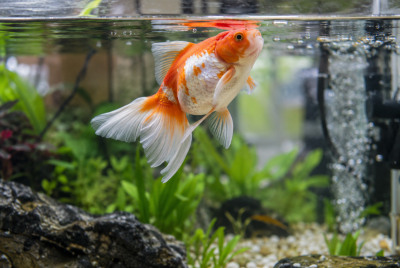
Goldfish and koi are remarkably hardy species that can survive 2-3 weeks without food under optimal conditions. These fish naturally experience seasonal food scarcity in the wild and have developed efficient energy storage mechanisms. During winter months, when kept outdoors, these fish may go several months with minimal feeding as their metabolism slows dramatically in cold water.
Tropical Community Fish
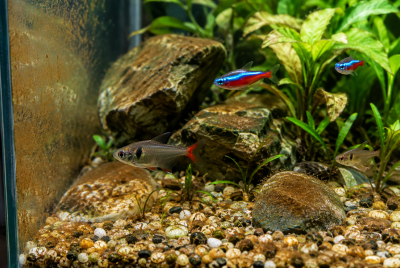
Popular tropical species like tetras, guppies, and mollies typically survive 7-14 days without food. These fish come from warm waters where their higher metabolic rates require more frequent feeding under normal circumstances. However, healthy adult specimens maintain sufficient reserves to weather brief fasting periods.
Betta Fish
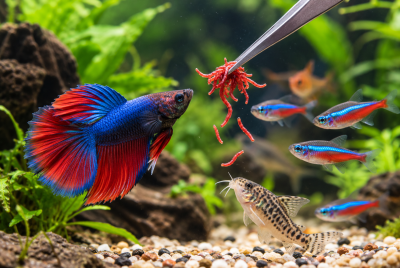
Betta fish demonstrate impressive fasting tolerance, surviving 10-14 days without food. In their native habitats, bettas often inhabit shallow waters where food availability fluctuates seasonally. This has equipped them with the ability to endure temporary food shortages.
Cichlids
African and South American cichlids generally survive 7-10 days without food, though larger specimens may last longer. Predatory cichlids with substantial body mass often have greater reserves than smaller, herbivorous species.
Bottom Feeders
Catfish, plecos, and loaches typically survive 10-14 days without supplemental feeding. These fish often scavenge for algae, biofilm, and detritus in the aquarium, which can provide minimal sustenance even when no food is added.
Factors Affecting Fasting Duration
Water Temperature
Temperature plays a crucial role in determining how long fish can survive without food. In warmer water (75-80°F), fish maintain higher metabolic rates and deplete energy reserves faster. Conversely, in cooler water (60-70°F), metabolism slows significantly, extending potential fasting duration by several days or even weeks.
For coldwater species in winter conditions below 50°F, metabolism can decrease to minimal levels. Fish in these conditions may survive months with little or no food, entering a state similar to hibernation.
Fish Age and Size
Age dramatically impacts fasting tolerance. Adult fish with fully developed bodies and established fat reserves can survive extended periods without food. Juvenile fish have higher growth demands and smaller reserves, typically surviving only 3-5 days without feeding. Fry represent the most vulnerable stage, requiring daily feeding and facing mortality within 2-3 days of food deprivation.
Larger fish generally outlast smaller specimens due to greater energy storage capacity. A 6-inch goldfish will survive significantly longer than a 1-inch goldfish under identical fasting conditions.
Overall Health and Body Condition
Healthy fish with good body condition enter fasting periods with adequate energy reserves. Fish that are already thin, stressed, or fighting disease have limited reserves and face higher mortality risk during food deprivation. Signs of healthy body condition include rounded bellies, vibrant colors, and active swimming behavior.
Conversely, fish showing hollow bellies, dull coloration, or lethargy before fasting begins are at greater risk and should not be subjected to extended periods without food.
Water Quality
Excellent water quality extends fasting tolerance by reducing stress and minimizing energy expenditure on immune function. Poor water quality forces fish to allocate energy toward coping with environmental stressors rather than maintaining body condition.
Parameters like ammonia, nitrite, pH, and oxygen levels should remain within optimal ranges. Fish struggling with poor water conditions will deplete energy reserves faster than those in pristine environments.
Activity Level and Tank Conditions
Fish in heavily planted tanks with ample swimming space may find small amounts of natural food like algae, microorganisms, and biofilm. This minimal nutrition can extend survival time beyond expectations. Fish in bare tanks lack these supplemental food sources.
Additionally, aggressive or highly active species burn energy faster than calm, sedentary fish, reducing their fasting tolerance.
Safe Fasting Practices for Aquarium Fish
Vacation Planning
For absences of 3-5 days, most healthy adult fish require no special feeding arrangements. Simply feed normally before departure and resume regular feeding upon return. This brief fasting period often benefits fish by allowing digestive systems to rest and reducing waste accumulation in the aquarium.
For trips lasting 7-14 days, several options exist. Automatic feeders provide scheduled meals but require testing before departure to ensure proper portion sizes. Slow-release feeding blocks dissolve gradually but can compromise water quality. Trusted friends or neighbors can feed fish with carefully measured portions, though overfeeders pose greater risk than underfeeding.
For extended absences beyond two weeks, professional pet sitters or aquarium maintenance services offer the most reliable solution.
Intentional Fasting Benefits
Some aquarists implement weekly fasting days for adult fish, mimicking natural feeding patterns where food isn’t constantly available. This practice may improve digestive health, reduce waste production, and prevent obesity in overfed specimens. One fasting day per week poses no harm to healthy adult fish and may offer health benefits.
However, fasting should never be used with fry, juvenile fish, or specimens recovering from illness or injury. These fish require consistent nutrition to support growth and healing.
Warning Signs of Prolonged Fasting
While fish tolerate brief fasting periods, extended food deprivation eventually causes harm. Warning signs include:
Physical Changes: Hollow or sunken bellies indicate depleted fat reserves. Prominent spines or skull bones suggest severe malnutrition. Color fading or loss of luster accompanies declining health.
Behavioral Changes: Increased lethargy, reduced swimming activity, and hiding behavior signal energy depletion. Conversely, some fish display frantic food-seeking behavior, swimming erratically when they detect movement near the aquarium.
Weakened Immune Function: Prolonged fasting compromises immune systems, making fish susceptible to diseases like ich, fin rot, and fungal infections. Opportunistic pathogens exploit weakened fish.
Aggression: Food-deprived fish may become increasingly aggressive toward tank mates, attempting to compete for limited resources or expressing stress-related behavior.
Refeeding After Extended Fasting
When resuming feeding after extended fasting periods, gradual reintroduction prevents digestive upset. Start with small portions, approximately 25-50% of normal feeding amounts. Observe fish for proper digestion over 24 hours before increasing portions.
Some fish may gorge themselves when food becomes available after fasting, but overfeeding stresses digestive systems and compromises water quality. Multiple small feedings throughout the day work better than single large meals during the refeeding period.
Within 3-5 days, most fish return to normal feeding schedules and portions. Monitor body condition and behavior to ensure recovery proceeds smoothly.
Natural Feeding Patterns and Fasting
Understanding natural feeding behaviors provides context for fasting tolerance. In the wild, many fish species experience irregular food availability. Predators may hunt successfully one day and go several days before the next meal. Herbivores might encounter abundant plant growth seasonally while facing scarcity during other periods.
Migratory fish often fast during spawning migrations, using stored energy to travel long distances and reproduce. Salmon famously cease eating upon entering freshwater for spawning runs, surviving entirely on body reserves while swimming upstream.
These natural patterns demonstrate that periodic fasting represents a normal part of fish biology rather than an emergency situation. Healthy fish possess physiological adaptations specifically designed to handle temporary food shortages.
Special Considerations for Different Life Stages
Fry and Juvenile Fish
Young fish require frequent feeding to support rapid growth. Fry need feeding 3-4 times daily with tiny portions. Juvenile fish typically eat 2-3 times daily. These life stages cannot tolerate extended fasting, and food deprivation exceeding 2-3 days can cause permanent growth stunting or mortality.
Breeding Fish
Fish preparing to spawn or actively breeding require consistent nutrition to produce healthy eggs and maintain parental behaviors. Fasting should be avoided during breeding periods as it may compromise reproductive success.
Sick or Recovering Fish
Fish fighting diseases or recovering from injuries need consistent nutrition to support immune function and tissue repair. These fish should not fast unless specifically directed by veterinary guidance for certain digestive conditions.
Environmental Impact on Fasting Tolerance
Aquarium environment significantly influences fasting tolerance. Well-established tanks with mature biological filtration provide stable conditions that reduce stress. Newly established tanks with fluctuating parameters place additional demands on fish energy reserves.
Lighting also matters. Excessive lighting or improper photoperiods increase stress and energy expenditure. Maintaining appropriate day-night cycles helps fish conserve energy during fasting periods.
Tank mates create another variable. Peaceful community fish coexist with minimal energy expenditure on territorial defense or aggressive interactions. Tanks with bullying or aggressive species force victims to burn extra energy avoiding conflict, reducing their fasting tolerance.
Conclusion
Fish demonstrate remarkable resilience during temporary food shortages, with most healthy adult species surviving 1-2 weeks without feeding. This survival ability stems from evolutionary adaptations that allow efficient energy storage and metabolic regulation based on environmental conditions.
However, fasting tolerance varies dramatically based on species, age, size, health, and water conditions. While adult fish handle brief fasting periods without harm, fry and juvenile fish require consistent daily feeding. Understanding these variables helps aquarium keepers make informed decisions about feeding schedules, vacation planning, and fish care.
The key to successful fasting lies in ensuring fish enter the period in optimal health with good body condition. Clean water, appropriate temperatures, and stress-free environments maximize fasting tolerance. When done appropriately, brief fasting periods may even benefit adult fish by mimicking natural feeding patterns and allowing digestive rest.
Responsible fish keeping requires balancing natural biology with captive care requirements, recognizing that while fish can survive without food temporarily, they thrive best with consistent, appropriate nutrition tailored to their specific needs.
Frequently Asked Questions
Can fish survive a weekend without food?
Yes, healthy adult fish easily survive a weekend (2-3 days) without food. This short fasting period poses no health risks and eliminates concerns about overfeeding by pet sitters. Simply feed normally before leaving on Friday and resume regular feeding Monday evening. Water quality actually improves during brief fasting periods due to reduced waste production.
How long can baby fish go without eating?
Fry can only survive 2-3 days without food before facing serious health consequences or mortality. Their small size and rapid growth demands require frequent feeding, typically 3-4 times daily. Never leave fry without feeding arrangements during absences. Automatic feeders or trusted caregivers become essential for maintaining fry during any travel.
Do fish need to eat every day in an aquarium?
Most adult aquarium fish thrive on once or twice daily feeding, though many species benefit from one fasting day per week. Daily feeding isn’t strictly necessary for healthy adults, but consistency helps maintain optimal health and growth. Juvenile fish and fry require daily feeding multiple times. Adjust feeding frequency based on species, age, and individual fish condition.
What happens if fish don’t eat for a month?
A month without food exceeds safe fasting duration for virtually all aquarium fish species. Fish surviving this long would show severe malnutrition including extreme weight loss, weakened immune systems, organ damage, and behavioral changes. Many fish would not survive 30 days without food, and those that did would require extended rehabilitation. Never subject fish to month-long fasting periods.
Can fish find their own food in the tank?
Fish in established aquariums consume some natural food sources including algae, biofilm, microorganisms, and detritus. However, these sources rarely provide complete nutrition, especially in heavily stocked tanks. While this natural foraging may extend survival during brief fasting periods, supplemental feeding remains necessary for maintaining optimal health, growth, and coloration in captive fish.