Goldfish Aggression: Causes, Signs & Solutions
*We may earn a commission for purchases made using our links. Please see our disclosure to learn more.
Goldfish are typically peaceful, docile creatures that thrive in community settings. However, aquarium owners occasionally witness unexpected aggressive behaviors—chasing, nipping, or bullying—that can cause stress, injury, and even death among tank inhabitants. Understanding why these typically calm fish display aggression is essential for maintaining a healthy aquarium environment.
Aggression in goldfish isn’t a natural personality trait but rather a response to environmental stressors, inadequate living conditions, or biological factors. By identifying the root causes and implementing appropriate solutions, fish keepers can restore harmony to their aquariums and ensure the wellbeing of all aquatic residents.
“Though it is often believed that aggression in fish requires vision as a ‘prompt,’ recent studies also postulate that fish might also be relying on chemical or pheromone based cues from their environment.”
— Hepper Pet Resources
Key Takeaways
- Goldfish are naturally peaceful but can become aggressive due to environmental stressors
- Overcrowding is the most common cause of territorial disputes and fighting
- Poor water quality and inadequate nutrition trigger competitive behaviors
- Breeding season naturally increases aggression, particularly among males
- Certain goldfish varieties are more dominant and may bully vulnerable species
- Illness and stress can cause goldfish to exhibit uncharacteristic aggressive behavior
- Proper tank size (minimum 20 gallons per fish) significantly reduces aggression
- Regular water testing and maintenance prevents stress-related behavioral issues
Recommended Products for Managing Goldfish Aggression
1. Tetra Goldfish LED Aquarium Kit (20 Gallon)


The Tetra Goldfish LED Kit 20-Gallon is a beginner-friendly aquarium designed to reduce goldfish aggression by giving your fish the space and filtration they need to thrive. This kit includes a glass tank, LED lighting system, 3-stage filter, and essential accessories to help new owners set up a healthy, stress-free environment. The white and red LEDs highlight goldfish colors, while the powerful filtration helps maintain clean, oxygen-rich water—two key factors that prevent bullying, chasing, and territorial behavior in goldfish. With a modern rectangular design and easy setup, this tank is ideal for goldfish keepers looking to create a peaceful habitat.
The Tetra Goldfish LED Kit 20 Gallon is one of the most beginner-friendly tanks for reducing goldfish aggression and creating a stable, peaceful aquarium environment. Goldfish are messy fish with a high bio-load, and when they’re kept in tanks that are too small, chasing, nipping, and bullying become common problems. This 20-gallon kit gives goldfish the swimming space they need to avoid territorial disputes and stress-related aggression.
- Spacious Design: 20-gallon capacity helps reduce goldfish aggression caused by overcrowding.
- Strong Filtration: 3-stage filter improves water quality, lowering stress levels in goldfish.
- Starter-Friendly: Includes food, conditioner, and guide for a smooth setup.
- Filter Noise: Some users report the filter can be louder than expected.
- Basic Lighting: LEDs are suitable for goldfish but not ideal for live plants.
- Limited Accessories: May require upgrading decorations or aeration for optimal comfort.
2. API Freshwater Master Test Kit


The API Freshwater Master Test Kit is a comprehensive and trusted solution for monitoring the health of your freshwater aquarium. With the ability to perform up to 800 tests, this kit includes everything you need: 7 bottles of testing solutions, 4 test tubes with caps, and a detailed color chart for accurate readings. It measures five critical water parameters—pH, high-range pH, ammonia, nitrite, and nitrate—ensuring your betta fish lives in clean, safe, and stable water conditions. Regular use of this kit helps prevent invisible water issues that can lead to stress, disease, or even loss of your fish.
Water quality issues are a major contributor to goldfish stress and aggression. This comprehensive testing kit measures pH, ammonia, nitrite, and nitrate levels—the four most critical parameters for goldfish health. With 800 tests included, regular monitoring helps detect problems before they trigger aggressive behaviors. The color-coded charts make it simple to identify when water conditions need correction, preventing stress-induced fighting.
- Comprehensive Testing: Covers all essential water parameters for freshwater tanks.
- Long-Lasting Value: Provides up to 800 tests, making it cost-effective over time.
- Accurate Results: Trusted by hobbyists and professionals for precise water readings.
- Manual Process: Requires measuring and comparing to color charts, which can be time-consuming.
- Storage Space: Comes in a relatively bulky box that may take up tank cabinet space.
- No Digital Display: Lacks digital convenience some modern testers offer.
3. Ameliade Aquarium Artificial Plants and Cave Decorations Set

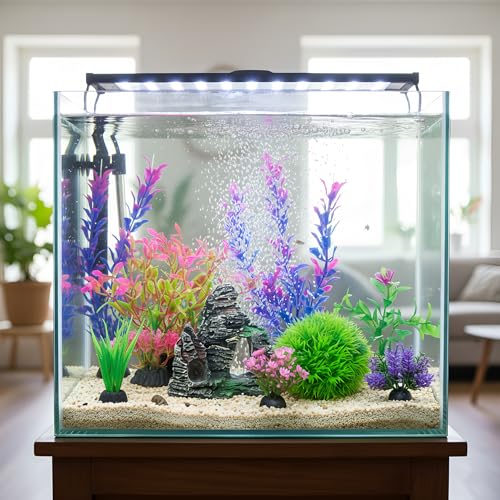

The Ameliade Aquarium Artificial Plants and Rock Cave Decor Set is designed to create a natural, safe, and visually appealing environment that helps reduce goldfish aggression. Goldfish often chase, nip, or bully tankmates when they lack hiding spaces or stimulating décor. This set offers soft, lifelike plastic plants and a smooth rock cave that gives goldfish places to explore, rest, and retreat—helping lower stress levels and preventing territorial behavior. With eight pieces of various sizes, this décor set enhances tank enrichment while being low-maintenance, durable, and suitable for both freshwater and marine tanks.
Creating a peaceful goldfish tank starts with the right décor, and the Ameliade Aquarium Artificial Plastic Plants and Rock Cave Set is an excellent choice for reducing goldfish aggression. Goldfish often become territorial or stressed when their tank lacks hiding places, visual barriers, and enrichment. This set provides a variety of tall, medium, and short artificial plants—plus a smooth rock cave—that add structure and break up line-of-sight inside the tank. This helps prevent chasing, nipping, and bullying, as goldfish have safe spaces to retreat and explore.
- Stress Reduction: Multiple hiding spots help minimize goldfish aggression and chasing behavior.
- Low-Maintenance: No lighting, fertilizers, or trimming needed—always stays vibrant.
- Safe Materials: Soft plastic plants won’t scratch delicate fins.
- Lightweight Bases: May require extra gravel to fully secure.
- Not Live Plants: Does not provide biological benefits like oxygenation.
- Small Rock Cave: Best suited for younger or smaller goldfish.
4. API 5-in-1 Aquarium Test Strips (25 Count)
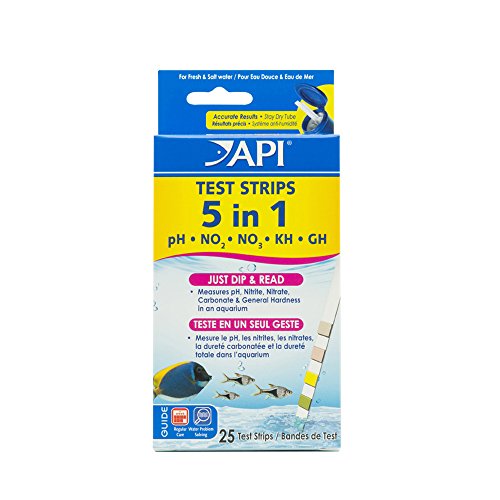
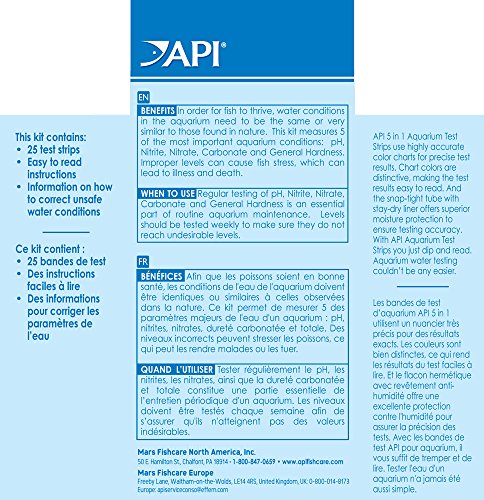

The API 5-in-1 Test Strips provide an easy and effective way to monitor water quality in freshwater and saltwater aquariums, helping prevent goldfish aggression caused by stress and poor water conditions. These strips test pH, nitrite, nitrate, carbonate, and general hardness, giving fast, color-coded results. Maintaining proper water parameters reduces stress-induced chasing, nipping, and bullying in goldfish, creating a calmer and healthier aquarium environment. Simple weekly monitoring or testing during water issues ensures your goldfish remain peaceful and thriving.
Maintaining proper water quality is essential for keeping goldfish calm and reducing goldfish aggression. The API 5-in-1 Test Strips make it easy to monitor key water parameters in both freshwater and saltwater aquariums. Goldfish often chase, nip, or bully their tankmates when stressed by poor water conditions, high nitrite/nitrate levels, or pH fluctuations. With these test strips, you can quickly check pH, nitrite, nitrate, carbonate, and general hardness, ensuring a stable and healthy environment for your fish.
- Stress Reduction: Regular water testing helps prevent goldfish aggression caused by poor water quality.
- Easy to Use: Dip strips, compare colors, and get fast results without complicated equipment.
- Comprehensive Testing: Monitors five key parameters critical to goldfish health.
- Color Accuracy: May vary under different lighting conditions; requires careful comparison.
- Limited Shelf Life: Strips expire over time and must be stored properly.
- No Digital Readout: Results are visual only, which may be less precise than meters.
What Causes Goldfish Aggression?
The Nature of Goldfish Behavior
Goldfish are shoaling fish rather than schooling fish, meaning they stay together for social purposes but may turn on each other during times of stress. This distinction is important because while goldfish generally coexist peacefully, their social structure lacks the tight coordination seen in true schooling species. Understanding this behavioral foundation helps explain why aggression can emerge under certain conditions.
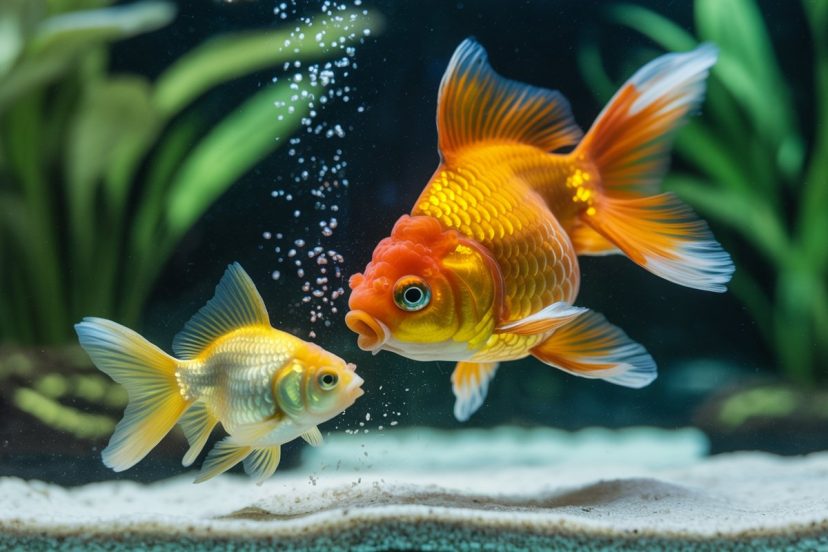
Aggression is described as a social feature involving behaviors associated with threats, attacks, or defensive responses among individuals or groups. In goldfish, these behaviors manifest as chasing, fin nipping, pushing, and sometimes preventing other fish from accessing food or preferred areas of the tank.
Overcrowding and Space Competition
Overcrowding causes stress, reduced swimming space, and heightened competition for resources, leading to bullying behaviors. When too many goldfish occupy insufficient space, territorial disputes become inevitable. Fish compete for swimming room, feeding areas, and resting spots, creating a constant state of conflict.
The general guideline for housing goldfish is 20 gallons for the first goldfish and an additional 10 gallons for each subsequent goldfish. Many aquarium owners underestimate how much space goldfish actually need, assuming that these hardy fish can thrive in small bowls or tanks. This misconception leads to chronic overcrowding, which is the single most preventable cause of goldfish aggression.
In overcrowded conditions, goldfish cannot establish natural territorial boundaries. The lack of personal space creates persistent stress, manifesting as aggressive displays toward tank mates. Larger, more dominant fish often claim the best areas of the tank while smaller or weaker fish are relegated to corners or less desirable locations.
Food Competition and Underfeeding
If underfeeding is the cause of aggression, increasing the frequency or amount of feeding may be necessary, with goldfish typically fed as much as they can eat in 2-5 minutes once or twice daily. Hunger drives powerful instincts in goldfish, and when food is scarce, competition intensifies dramatically.
During feeding time, aggressive goldfish may chase others away from food, gulp down more than their share, or nip at slower eaters. This behavior often becomes habitual, with dominant fish establishing themselves as the primary feeders while subordinate fish struggle to obtain adequate nutrition. The resulting stress and malnutrition can weaken the bullied fish, making them more vulnerable to disease and further aggression.
Some goldfish varieties swim faster than others, creating an unfair advantage during meals. Streamlined varieties like Common and Comet goldfish move swiftly through the water, while fancy varieties with egg-shaped bodies and flowing fins struggle to compete. This disparity can lead to chronic underfeeding of slower fish and increased aggression as they desperately compete for food.
Breeding Behavior and Spawning Aggression
Mating behavior consists of a male goldfish chasing the female goldfish, and in some cases, the female may chase the male, with males sometimes chasing each other in male-only tanks. This natural reproductive behavior can appear violent to uninformed observers, but it’s a normal part of goldfish biology.
During breeding season, male goldfish develop breeding tubercles—small white bumps on their gill covers and pectoral fins. They become more territorial and pursue females relentlessly, nudging their abdomens to encourage egg release. This chasing can last for hours or even days, causing significant stress to female goldfish who may suffer physical exhaustion or injury from persistent male attention.
During spawning seasons, males become more territorial and competitive, often chasing females and other males, while females may guard their eggs aggressively. Multiple males competing for the same female intensify aggressive displays, with fish ramming, pushing, and chasing each other throughout the tank.
The solution isn’t necessarily to prevent breeding behavior, as it’s natural and healthy for goldfish. However, aquarium owners should ensure adequate space exists for females to escape aggressive males, provide hiding spots where exhausted fish can rest, and maintain proper male-to-female ratios to distribute breeding attention more evenly.
Water Quality and Environmental Stress
Poor water quality represents one of the most insidious causes of goldfish aggression because its effects accumulate gradually. Goldfish produce substantial waste through their gills, urine, and feces, while uneaten food and decaying organic matter contribute additional pollutants. Without proper filtration and regular water changes, toxic compounds build up to dangerous levels.
Stress in fish can decrease immune system function and make them more prone to unusual behaviors, including hiding, bottom sitting, lack of appetite, and aggression. Elevated ammonia, nitrite, or nitrate levels cause physical discomfort and stress, making fish irritable and more likely to lash out at tank mates. Goldfish experiencing chemical burns from poor water quality may become defensive and aggressive as a pain response.
Temperature fluctuations, inadequate oxygen levels, and improper pH balance also contribute to environmental stress. Goldfish kept in bowls or small tanks without filtration systems experience particularly severe water quality problems, leading to chronic stress and aggressive behaviors. The confined space prevents dilution of waste products, creating a toxic environment that triggers constant aggression.
Illness and Health Issues
When a goldfish is ill, they may begin to show aggressive behaviors toward their tank mates. Sick fish may become defensive, lashing out at others who venture too close. Pain, discomfort, or compromised swimming ability can make ill goldfish feel vulnerable, prompting aggressive displays as a defensive mechanism.
Interestingly, healthy goldfish may also exhibit aggression toward sick tank mates. This behavior stems from an instinctive response to remove weak individuals from the group, preventing disease spread. While this sounds harsh, it’s a survival mechanism that protects the overall health of the shoal in natural settings.
Fish suffering from swim bladder disorders, parasitic infections, or bacterial diseases often experience difficulty swimming normally. Their erratic movements or inability to maintain position in the water column may trigger aggression from other fish who perceive the unusual behavior as threatening or view the sick fish as competition that should be eliminated.
Incompatible Tank Mates and Variety Differences
Breeds like the Ryukin are known to be more assertive, while long-finned varieties like the Fantail are more vulnerable to nipping and bullying. Not all goldfish varieties possess the same temperament or physical capabilities. Combining aggressive varieties with vulnerable ones creates a problematic dynamic where bullying becomes inevitable.
Fast-swimming, streamlined goldfish varieties include Commons, Comets, and Shubunkins. These fish possess single tail fins and torpedo-shaped bodies that allow rapid movement. In contrast, fancy goldfish varieties like Orandas, Fantails, Bubble Eyes, and Telescopes have double tail fins, round bodies, and sometimes protruding eyes or head growths that impede swimming speed.
When these different types coexist, faster swimmers may harass slower varieties, nipping at their flowing fins or elaborate head growth. Bubble Eye goldfish are particularly vulnerable because their delicate fluid-filled sacs can be damaged by aggressive tank mates. Similarly, Telescope goldfish with protruding eyes can suffer serious injuries from fin-nipping behavior.
Lack of Environmental Enrichment
Boredom and monotony contribute to stress and aggression in goldfish. A pond with only water is an unnatural environment, as incorporating plants gives fish places to explore and treats to nibble on, while rocks provide environmental variety and create hiding spots. The same principle applies to aquariums.
Tanks lacking decorations, plants, or structural elements provide no mental stimulation or territorial boundaries. Goldfish swimming in barren environments have nowhere to hide, no objects to investigate, and no way to escape aggressive tank mates. This creates a stressful situation where fish remain in constant visual contact, unable to establish territories or retreat from confrontation.
Environmental enrichment isn’t merely aesthetic—it serves important psychological and behavioral functions. Caves, plants, and decorations create visual barriers that allow subordinate fish to escape the attention of dominant individuals. These structures also provide activity opportunities, reducing boredom-related aggression. Goldfish exploring decorated tanks exhibit more natural behaviors and less fighting than those in bare environments.
Recognizing Signs of Goldfish Aggression
Identifying aggressive behavior early allows for prompt intervention before serious harm occurs. Common signs include:
- Chasing: Persistent pursuit of one fish by another throughout the tank, often at high speed. Occasional chasing may be normal social interaction, but constant harassment indicates problematic aggression.
- Fin Nipping: Biting or tearing pieces from another fish’s fins, tail, or body. Victims of fin nipping display ragged, torn fins with missing sections or damaged edges.
- Body Ramming: Physical contact where one fish bumps, pushes, or rams into another. This behavior aims to intimidate or physically harm the target fish.
- Food Guarding: Aggressive fish prevent others from accessing food by chasing them away from feeding areas or consuming food rapidly before others can eat.
- Territorial Displays: Claiming specific areas of the tank and aggressively defending them against intrusion. The aggressive fish may hover in one location and chase away any fish that approach.
- Glass Surfing: Swimming frantically up and down the tank walls, often indicating stress from aggression (either as perpetrator or victim).
- Hiding Behavior: Fish that suddenly hide constantly or remain at the bottom of the tank may be victims of bullying, avoiding aggressive tank mates.
- Physical Injuries: Missing scales, torn fins, wounds, or damaged eyes indicate physical violence has occurred.
Solutions for Goldfish Aggression
Increase Tank Size
The most effective solution for aggression is providing adequate space. Upgrading to a larger aquarium gives each fish sufficient territory, reducing competition and conflict. Calculate tank requirements based on the 20-gallon minimum for the first fish plus 10 gallons for each additional goldfish. If immediate tank upgrades aren’t possible, reduce the number of fish to appropriate levels for the current tank size.
Improve Water Quality
Establish a regular maintenance schedule including weekly partial water changes of 25-30%. Install appropriate filtration systems rated for the tank volume and goldfish waste production. Test water parameters weekly using reliable test kits, monitoring pH, ammonia, nitrite, and nitrate levels. Address any deviations from ideal parameters promptly to reduce stress-related aggression.
Optimize Feeding Practices
Feed goldfish appropriate amounts multiple times daily rather than one large feeding. This approach reduces competition by ensuring all fish receive adequate nutrition. Use feeding rings to concentrate food in specific areas, allowing slower fish to eat without being chased away. Consider feeding fish in separate locations simultaneously to distribute aggressive fish attention.
Some aquarists feed aggressive and passive fish separately by creating temporary barriers during mealtimes or removing the most aggressive individuals to a separate container for feeding. While more time-consuming, this ensures all fish receive proper nutrition.
Separate Incompatible Varieties
House fast-swimming varieties separately from fancy goldfish with impaired swimming capabilities. If maintaining mixed groups, ensure ample space exists to prevent faster fish from constantly harassing slower varieties. Remove fish displaying persistent aggression toward specific tank mates, rehoming or establishing separate tanks as needed.
Add Environmental Enrichment
Incorporate live or artificial plants, caves, rock formations, and other decorations to create visual barriers and hiding spots. These structures allow subordinate fish to escape aggression and help dominant fish establish territories without constant confrontation. Ensure decorations have smooth edges that won’t injure fish during chases.
Rearranging decorations periodically disrupts established territories, sometimes reducing aggression by resetting social hierarchies. However, this approach can also temporarily increase stress, so monitor fish carefully after rearrangements.
Manage Breeding Behavior
During spawning periods, provide extra hiding spots for females to escape aggressive males. Maintain appropriate male-to-female ratios, generally keeping two or three females for each male to distribute breeding attention. Consider temporarily separating extremely aggressive males if females show signs of exhaustion or injury.
If breeding isn’t desired, maintain single-sex tanks. However, accurately sexing goldfish can be challenging except during breeding season when males develop tubercles.
Address Health Issues
Quarantine sick fish immediately in separate recovery tanks to prevent disease spread and eliminate aggression directed toward ill individuals. Treat health problems promptly with appropriate medications and optimal water conditions. Once recovered, reintroduce fish carefully, monitoring for renewed aggression.
Use Tank Dividers as Temporary Solutions
When rehoming aggressive fish isn’t possible immediately, install tank dividers to separate combatants. This temporary measure protects victims while permanent solutions are arranged. Keep fish separated for at least two weeks, as this period often allows tensions to decrease before attempting reintegration.
Consider Rehoming Options
Sometimes, despite best efforts, certain goldfish remain chronically aggressive or incompatible with tank mates. Rehoming such individuals to suitable environments may be the most humane solution. Contact local aquarium clubs, pet stores accepting fish returns, or online aquarist communities to find new homes for problematic fish.
Prevention Strategies
Preventing aggression proves easier than correcting it after problems develop. Consider these proactive measures:
- Proper Initial Setup: Begin with adequately sized tanks that provide sufficient space for the desired number of goldfish. Don’t plan to upgrade later—start with proper capacity immediately.
- Research Varieties: Understand temperament differences among goldfish varieties before mixing them. Keep similar types together for best compatibility.
- Introduce Fish Properly: Add new goldfish to established tanks carefully, preferably adding multiple fish simultaneously rather than single individuals who may be targeted.
- Maintain Consistent Conditions: Keep water parameters stable through regular testing and maintenance. Sudden changes in temperature, pH, or other factors increase stress and trigger aggression.
- Feed Appropriately: Provide high-quality goldfish food in appropriate quantities. Undernourished fish become aggressive competitors, while overfeeding degrades water quality.
- Monitor Regularly: Observe fish daily for signs of aggression or stress. Early intervention prevents minor conflicts from escalating into serious problems.
- Provide Adequate Filtration: Install filters rated for goldfish waste production, typically requiring higher capacity than standard tropical fish. Goldfish are messy eaters and prolific waste producers, necessitating robust filtration.
Understanding the Importance of Addressing Aggression
Goldfish aggression isn’t merely an aesthetic problem—it poses serious risks to fish health and survival. Chronic stress from bullying suppresses immune function, making fish vulnerable to diseases like ich, fin rot, and fungal infections. Physical injuries from fighting can become infected, leading to septicemia or death.
Stressed goldfish exhibit shortened lifespans even if they survive direct physical attacks. The constant vigilance required to avoid aggressive tank mates prevents normal rest and feeding behaviors, causing gradual health decline. Subordinate fish may become so stressed they stop eating entirely, leading to starvation despite food availability.
From an ethical perspective, responsible fishkeeping requires providing humane living conditions where all animals can exhibit natural behaviors without fear or suffering. Allowing aggression to continue unchecked violates this fundamental responsibility. Fish experience stress and fear, making it imperative to address aggressive situations promptly and effectively.
Conclusion
Goldfish aggression represents a complex behavioral issue with multiple contributing factors. While these fish are naturally peaceful, environmental stressors, inadequate space, poor nutrition, breeding behaviors, health problems, and incompatible tank mates can trigger aggressive displays. Understanding these causes enables aquarium owners to implement targeted solutions that restore harmony to their aquatic environments.
The key to managing goldfish aggression lies in prevention through proper husbandry practices. Adequate tank size, excellent water quality, appropriate feeding, compatible tank mates, and environmental enrichment create conditions where aggression rarely develops. When problems do arise, prompt intervention prevents escalation and protects all fish from harm.
Maintaining a peaceful goldfish community requires ongoing commitment to monitoring conditions, testing water parameters, and observing fish behavior. However, the reward—healthy, vibrant goldfish displaying natural behaviors in a stress-free environment—makes the effort worthwhile. By addressing aggression proactively and compassionately, aquarium owners create beautiful, harmonious underwater worlds where all inhabitants can thrive.
Frequently Asked Questions
Q: Are goldfish naturally aggressive fish?
No, goldfish are not naturally aggressive. They are generally peaceful, social fish that prefer living in groups. Aggression in goldfish is abnormal behavior triggered by environmental problems, stress, health issues, or inadequate living conditions rather than inherent personality traits.
Q: How much space do goldfish need to prevent aggression?
Goldfish require a minimum of 20 gallons for the first fish, plus an additional 10 gallons for each subsequent goldfish. Many aggression problems stem from overcrowding, so providing adequate space is the single most effective prevention strategy.
Q: Can different goldfish varieties live together peacefully?
Some goldfish varieties coexist well, while others are incompatible. Fast-swimming varieties like Commons and Comets may harass slower fancy varieties with flowing fins and round bodies. Vulnerable varieties with protruding eyes or delicate features should not be housed with aggressive or fast-swimming types.
Q: How can I tell if my goldfish is sick or just aggressive?
Sick goldfish often display additional symptoms beyond aggression, including lethargy, loss of appetite, abnormal swimming patterns, discoloration, visible wounds, or clamped fins. Aggressive behavior without other symptoms typically indicates environmental or social stressors rather than illness. However, consult an aquatic veterinarian if uncertain.
Q: Will goldfish stop fighting on their own?
Minor disputes may resolve naturally as fish establish social hierarchies. However, persistent or escalating aggression requires intervention. Ignoring the problem allows injuries, illness, and death to occur. Address aggression promptly through environmental improvements, separation, or other appropriate solutions rather than hoping it resolves spontaneously.